
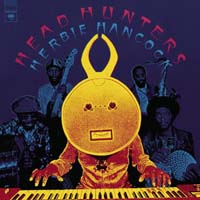
A closer look at Herbie Hancock's album Butterfly
Butterfly- Album Overview
Released in 1974, "Butterfly" is a seminal album by jazz pianist Herbie Hancock, showcasing his innovative approach to jazz fusion. The album was released under the Columbia Records label and features a distinctive blend of jazz, funk, and soul elements. "Butterfly" is notable for its rich textures and intricate arrangements, which were achieved through Hancock's collaboration with a range of talented musicians, including renowned bassist Paul Jackson, drummer Mike Clark, and percussionist Bill Summers. The album's production was guided by Hancock himself, who sought to push the boundaries of jazz while incorporating contemporary influences.
The album consists of six tracks, with standout compositions like "Butterfly," "A Higher Calling," and "Spank-a-Lee" exemplifying Hancock's ability to weave complex harmonies and rhythms. "Butterfly" was one of the first jazz albums to integrate synthesizers prominently, a move that would influence countless genres in the years to come. The singles released from the album, particularly "Butterfly," helped to solidify Hancock's status as a pioneering figure in the jazz world. The album's cultural significance lies in its experimental nature, which paved the way for future generations of musicians to explore the fusion of jazz with other musical styles, thereby expanding the genre's reach and appeal.
Review
"Butterfly" is a captivating exploration of sound that reflects Hancock's artistic vision at the time. The album's sonic palette is both lush and intricate, with each track inviting the listener into a world where jazz meets funk and electronic music. Hancock's use of synthesizers adds a modern touch, creating a soundscape that feels both timeless and ahead of its time. The melodic lines are fluid and often ethereal, showcasing Hancock's skill as a composer and performer. Lyrically, the album is less focused on traditional song structures and more on instrumental storytelling, allowing the music to convey emotions and narratives without words. This artistic choice emphasizes Hancock's belief in the power of sound as a form of expression, making "Butterfly" a significant milestone in his discography and in the evolution of jazz fusion.
Highlights
- The innovative use of synthesizers that expanded the jazz fusion genre.
- The intricate arrangements and musicianship displayed throughout the album.
- The soulful and emotive melodies that resonate with listeners.
Weak points
- The experimental nature may not appeal to traditional jazz purists.
- Some tracks may feel less structured compared to more conventional jazz compositions.
- The album's reliance on electronic sounds may date it for some listeners.
Overall evaluation
"Butterfly" is a landmark album that showcases Herbie Hancock's innovative spirit and willingness to explore new musical territories. Its unique blend of jazz, funk, and electronic influences continues to inspire artists across genres today.
Personal rating: 8/10 1982Herbie Hancock Trio
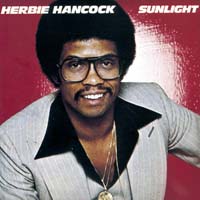 1978Sunlight
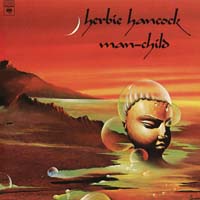 1975Man-Child
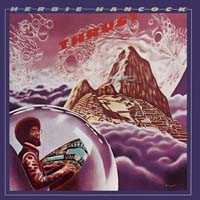 1974Thrust
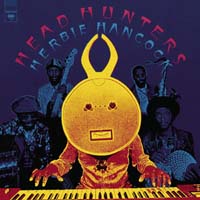 1973Head Hunters
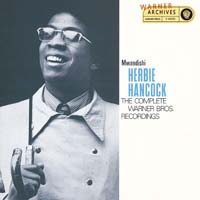 1970Mwandishi
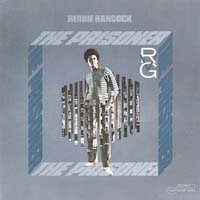 1969The Prisoner
 1969Fat Albert Rotunda
 1968Speak Like a Child
 1965Maiden Voyage
 1964Empyrean Isles
 1963My Point of View