
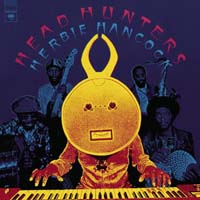
Breaking down the themes in The New Standard by Herbie Hancock
The New Standard- Album Overview
Released in 1996, "The New Standard" marks a significant turning point in Herbie Hancock's illustrious career, showcasing his unique ability to blend jazz with contemporary pop and R&B influences. The album was released under the Verve Records label and features a collection of nine tracks that reinterpret iconic songs from various genres, including rock and pop, through a jazz lens. Hancock collaborated with a stellar lineup of musicians, including bassist Dave Holland, drummer Brian Blade, and saxophonist Wayne Shorter, creating a rich tapestry of sound that highlights both individual virtuosity and collective synergy. The production of "The New Standard" was notable for its innovative approach to familiar melodies. Hancock's reinterpretations of songs like "A Tribute to Someone" and "The Song Goes On" breathe new life into these classics, showcasing his ability to draw emotional depth from the material. The album stands as a testament to Hancock's artistic vision, celebrating the interconnectedness of musical genres while pushing the boundaries of traditional jazz. Culturally, "The New Standard" emerged during a time of burgeoning interest in jazz fusion and the blending of genres, appealing to both jazz purists and a newer audience. Hancock's interpretations challenge listeners to reconsider the essence of jazz, making the album a vital piece in the ongoing dialogue about the genre's evolution. The singles released from the album, particularly "A Tribute to Someone," received critical acclaim and further solidified Hancock's status as a pioneer in the music world.
Review
"The New Standard" serves as both a homage and a redefinition of musical norms. Hancock's artistry shines through in his ability to translate the emotional core of each song into a jazz framework, allowing listeners to experience familiar melodies in fresh and unexpected ways. The arrangements are lush and intricate, blending intricate solos with rich harmonies that invite deeper listening. The album's sound is characterized by Hancock's signature electric piano tones, which provide a modern yet warm backdrop to the ensemble's performances. The collaborative interplay between the musicians is palpable, with each member contributing their distinct voice to the overall narrative. Hancock's choice of songs—ranging from classic rock to pop—illustrates his broad musical palette and his commitment to bridging the gap between different musical worlds. While the album is undeniably engaging, it also raises questions about genre boundaries and the role of jazz in contemporary music. Hancock's vision is both expansive and introspective, inviting listeners to explore the themes of nostalgia and reinvention that permeate the album.
Highlights
- Innovative reinterpretations of well-known tracks that breathe new life into the melodies.
- A stellar lineup of musicians contributing to a rich and collaborative sound.
- Hancock's signature electric piano adds a modern flair while respecting jazz traditions.
Weak points
- Some listeners may find the blend of genres jarring rather than cohesive.
- A few tracks may lack the improvisational depth typically associated with traditional jazz.
- The album's accessible nature may not fully satisfy hardcore jazz purists.
Overall evaluation
"The New Standard" stands as a bold statement in Herbie Hancock's discography, merging jazz with pop sensibilities in an engaging manner. The album invites listeners to appreciate the fluidity of music and the possibility of reinventing the familiar. Personal rating: 8/10
 1982Herbie Hancock Trio
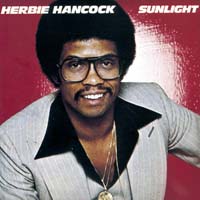 1978Sunlight
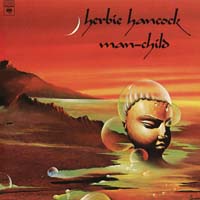 1975Man-Child
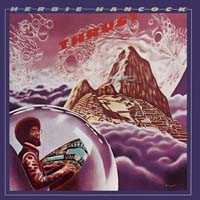 1974Thrust
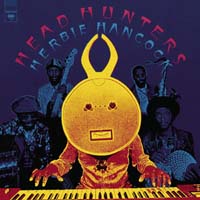 1973Head Hunters
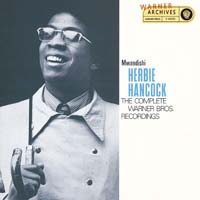 1970Mwandishi
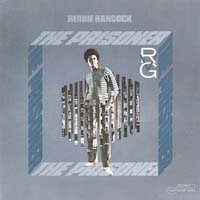 1969The Prisoner
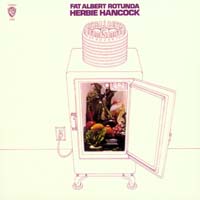 1969Fat Albert Rotunda
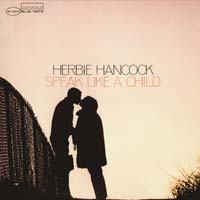 1968Speak Like a Child
 1965Maiden Voyage
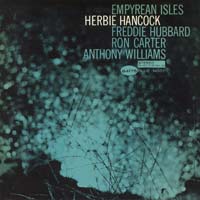 1964Empyrean Isles
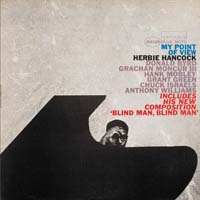 1963My Point of View