

Herbie Hancock experiments boldly on Magic Windows
Magic Windows- Album Overview
Released in 1981, "Magic Windows" is an album that showcases Herbie Hancock's adventurous spirit and innovative approach to music. The album was released under the Columbia Records label and follows Hancock's exploration of electronic sounds, which began to define his work in the late '70s and early '80s. Collaborating with producer and sound designer Bill Laswell, Hancock ventured into a realm that melds jazz, funk, and electronic music, making "Magic Windows" a significant entry in his discography.
Recorded at the renowned Electric Lady Studios in New York City, the album features a blend of synthesizers, acoustic instruments, and Hancock's signature keyboard work. The opening track, "Rockit," became a significant single and later an iconic hit, showcasing innovative turntablism that influenced hip-hop and electronic music. While the album is often overshadowed by Hancock's earlier masterpieces, it stands as a testament to his willingness to experiment and push the boundaries of jazz.
The album’s production reflects a vibrant soundscape, with contributions from notable musicians, including guitarist Mike Stern and drummer Tony Williams. Hancock's use of technology and sampling was groundbreaking for the time, setting the stage for future artists in various genres. "Magic Windows" not only captures the essence of early '80s music but also serves as an important cultural artifact that highlights the intersection of jazz with emerging technologies, influencing a generation of musicians.
Review
"Magic Windows" is an album that boldly embraces the future while remaining deeply rooted in the jazz tradition. Hancock's experimentation with synthesizers and electronic elements creates a sound that is both fresh and nostalgic. The album's standout track, "Rockit," is a perfect example of this blend, with its infectious groove and innovative use of sampling, which has since become a staple in modern music. Hancock's keyboard work is masterful throughout, effortlessly weaving between melodic lines and complex rhythms.
However, some tracks may feel disjointed to listeners who prefer the cohesion of traditional jazz albums. The eclectic mix of styles and sounds can lead to moments where the experimental nature overshadows melodic development. Yet, this same quality is what makes "Magic Windows" an intriguing listen. Hancock's artistic vision is clear: he is not merely looking to replicate the past but to create a new sonic landscape that invites listeners to explore the possibilities of music.
Highlights
- Groundbreaking use of electronic sounds and turntablism
- Standout track "Rockit," which became an iconic hit
- Innovative collaborations with talented musicians
Weak points
- Some tracks may feel disjointed or less cohesive than traditional jazz
- Experimental approach may not appeal to all jazz purists
- Lack of memorable melodies in certain songs
Overall evaluation
"Magic Windows" is a bold and innovative exploration of sound that showcases Herbie Hancock's willingness to experiment and redefine musical boundaries. While it may not resonate with every traditional jazz fan, it holds an important place in the evolution of jazz and electronic music.
Personal rating: 7/10 1982Herbie Hancock Trio
 1978Sunlight
 1975Man-Child
 1974Thrust
 1973Head Hunters
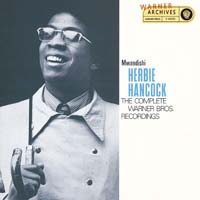 1970Mwandishi
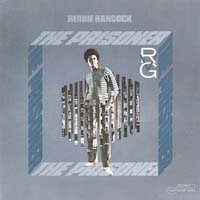 1969The Prisoner
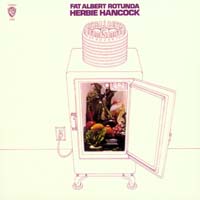 1969Fat Albert Rotunda
 1968Speak Like a Child
 1965Maiden Voyage
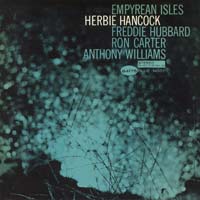 1964Empyrean Isles
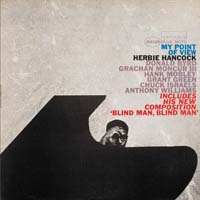 1963My Point of View