
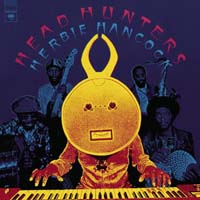
Unpacking Herbie Hancock's Sound-system
Sound-system- Album Overview
Released in 1988, "Sound-system" is an album by the iconic jazz musician Herbie Hancock, known for his ability to blend genres and push the boundaries of musical expression. This album came out under the Columbia Records label and is a testament to Hancock's innovative spirit during the late 1980s, a period marked by the rise of electronic music and hip-hop influences. The recording sessions took place in Los Angeles and featured an array of talented collaborators, including renowned bassist and producer Marcus Miller, who played a crucial role in shaping the album's sound. "Sound-system" includes tracks that vary in style, incorporating elements of jazz, funk, and electronic music, showcasing Hancock's versatility and willingness to experiment. Notable tracks from the album include "Rockit," which became a significant hit and is often credited with bringing jazz fusion and electronic music into the mainstream. The album's cover art, depicting a futuristic sound system, reflects the technological advancements of the era and the cultural shifts occurring within music. The album is significant not only for its musical content but also for its impact on the jazz genre, paving the way for future artists to explore the fusion of electronic sounds with traditional jazz elements. Hancock's work on "Sound-system" exemplifies the intersection of music and technology, making it a pivotal piece in the evolution of jazz and popular music during the late 20th century.
Review
"Sound-system" stands out as a bold exploration of sound, merging Hancock's jazz roots with the burgeoning electronic and hip-hop scenes of the 1980s. The album opens with "Rockit," a track that not only features innovative scratching techniques but also sets the stage for the eclectic mix of styles to follow. Hancock's exceptional keyboard work shines throughout the album, often layered with synths and rhythmic grooves that invite listeners to dance. Lyrically, the album is less about storytelling and more focused on the sheer sonic experience. Hancock employs a variety of vocalists and instrumentalists, creating a tapestry of sound that feels both futuristic and grounded in the jazz tradition. The artistic vision behind "Sound-system" embraces technology, as evidenced by the use of drum machines and synthesizers, which were relatively novel in jazz at the time. While some purists may find the heavy incorporation of electronic elements a departure from Hancock's earlier works, it is precisely this willingness to embrace change that makes "Sound-system" an essential listen. Hancock’s ability to adapt and innovate continues to influence musicians today, affirming his status as a true pioneer in the music industry.
Highlights
- Innovative fusion of jazz, funk, and electronic music.
- Groundbreaking use of scratching and sampling techniques.
- Strong production quality with contributions from notable collaborators.
Weak points
- Some tracks may feel disjointed or overly experimental to traditional jazz fans.
- Limited lyrical content may not appeal to those seeking narrative depth.
- The album's production could overshadow raw musicality for some listeners.
Overall evaluation
"Sound-system" is a bold statement that captures a transformative period in music, illustrating Herbie Hancock's genius in blending genres and embracing technological advancements. While it may divide opinions among jazz purists, its influence on both jazz and popular music is undeniable.
Personal rating: 8/10 1982Herbie Hancock Trio
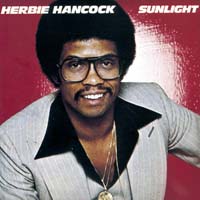 1978Sunlight
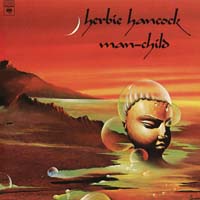 1975Man-Child
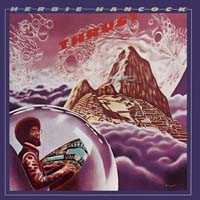 1974Thrust
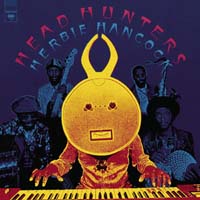 1973Head Hunters
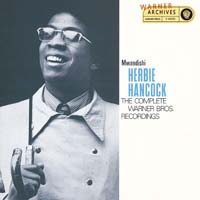 1970Mwandishi
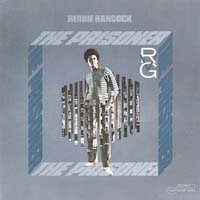 1969The Prisoner
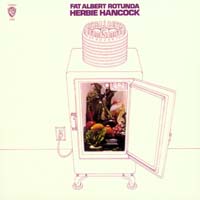 1969Fat Albert Rotunda
 1968Speak Like a Child
 1965Maiden Voyage
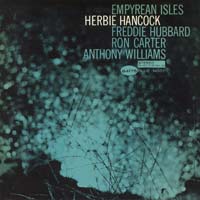 1964Empyrean Isles
 1963My Point of View