ALBUM NOTESA closer look at Herbie Hancock-Kawaida's album Kawaida
Album overview
Herbie Hancock's album "Kawaida," released in 1974, represents a significant moment in the evolution of jazz fusion. This project showcases Hancock's innovative approach to blending jazz with funk, soul, and elements of African music, reflecting the broader cultural movements of the 1970s. Released under the Columbia Records label, "Kawaida" features an impressive roster of collaborators, including renowned musicians like Michael Brecker, Wayne Shorter, and Tony Williams, enhancing the album's dynamic sound.
The recording sessions took place at the famous Electric Lady Studios in New York City, a hub for many artists at the time. Hancock's ability to fuse complex rhythms with melodic sensibilities is evident throughout the album, showcasing his mastery of the Fender Rhodes electric piano, synthesizers, and acoustic piano. The album's title, "Kawaida," is derived from a Swahili word meaning "tradition," which reflects Hancock's desire to honor African heritage while pushing musical boundaries.
The standout tracks include "Watermelon Man" and "Cantaloupe Island," both of which have become jazz standards. The album's cultural significance lies in its exploration of identity, spirituality, and the societal changes occurring during that era, making it not just an auditory experience but a commentary on the times.
Review
"Kawaida" is a sonic tapestry that brilliantly captures the essence of Herbie Hancock's artistic vision. The album oscillates between intricate compositions and free-flowing improvisation, creating a soundscape that is both engaging and thought-provoking. Hancock's use of electronic instruments adds a futuristic touch to traditional jazz forms, inviting listeners into an experimental realm.
The lyrics, although sparse, are laden with meaning, reflecting themes of unity and cultural pride. Hancock's artistic choices are deeply rooted in the socio-political climate of the 1970s, where artists sought to redefine their identities in the face of systemic challenges. The production quality is top-notch, with each instrument meticulously placed in the mix, allowing for a rich auditory experience that is both immersive and enlightening.
Highlights
- Innovative blending of jazz, funk, and African rhythms.
- Impressive collaborations with top-tier musicians.
- Culturally significant themes reflecting 1970s social movements.
Weak points
- Some tracks may feel disjointed for listeners expecting traditional jazz forms.
- The experimental nature might not appeal to all jazz aficionados.
- Lack of commercially successful singles may limit mainstream recognition.
Overall evaluation
"Kawaida" stands as a testament to Herbie Hancock's genius, blending various musical influences to create a work that is both innovative and culturally resonant. It invites listeners not just to hear but to feel the complexities of identity and tradition in a rapidly changing world.
Personal rating: 8/10
```


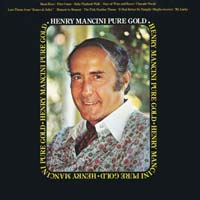 1982Herbie Hancock Trio
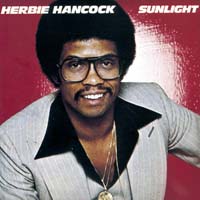 1978Sunlight
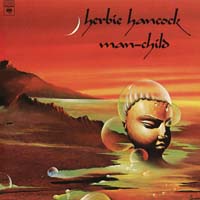 1975Man-Child
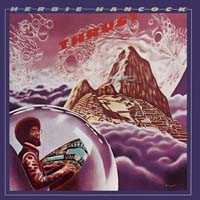 1974Thrust
 1973Head Hunters
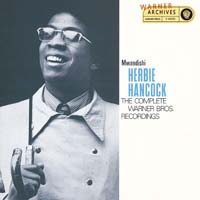 1970Mwandishi
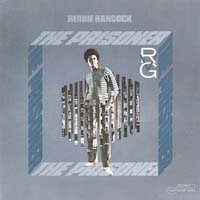 1969The Prisoner
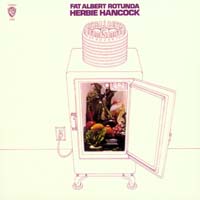 1969Fat Albert Rotunda
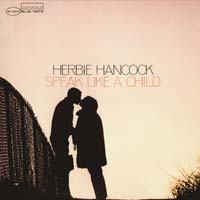 1968Speak Like a Child
 1965Maiden Voyage
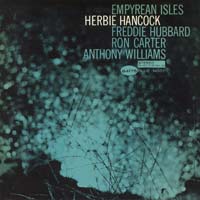 1964Empyrean Isles
 1963My Point of View