ALBUM NOTESThe evolution of Herbie Hancock-Takin' Off in Takin' Off
Album overview
Herbie Hancock's debut album, "Takin' Off," was released in 1962 under the Blue Note label. This album marked a significant entry point for Hancock into the world of jazz, showcasing not only his talents as a pianist and composer but also establishing him as a formidable force within the genre. The album was recorded in the iconic Van Gelder Studio, known for its rich sound quality and association with many legendary jazz recordings. "Takin' Off" features a stellar lineup, including renowned musicians such as Freddie Hubbard on trumpet, Wayne Shorter on tenor saxophone, and Elvin Jones on drums.
The album's standout track, "Cantaloupe Island," has since become a jazz standard, reflecting Hancock's innovative approach to blending modal jazz with elements of funk and blues. The album, while initially modest in sales, grew in stature over the years, helping to shape the sound of modern jazz and influencing countless artists. Its release coincided with a pivotal moment in jazz history, as the genre was beginning to embrace more experimental forms and sounds. Hancock's exploration of rhythm and melody in "Takin' Off" remains a significant contribution to both the jazz canon and popular music as a whole.
Review
"Takin' Off" is a masterclass in jazz composition and performance. Hancock's sound is both fluid and dynamic, effortlessly shifting between intricate melodies and rhythmic complexity. The album's opener, "Watermelon Man," exemplifies this with its catchy hook and vibrant grooves, showcasing Hancock's ability to blend jazz with elements of African and Latin music. The overall production is crisp, allowing each instrument to shine while maintaining a cohesive sound.
The collaborative spirit present in the album is palpable, each musician contributes to the overall experience, creating an engaging dialogue between instruments. The improvisational sections are particularly noteworthy, where the musicians stretch out and explore new musical territories. Hancock's artistic vision clearly points toward a future of innovation in jazz, laying the groundwork for his subsequent works that would further push the boundaries of the genre.
Highlights
- Innovative blend of jazz with funk and blues elements.
- Memorable compositions that paved the way for future jazz standards.
- Exceptional collaborations with renowned jazz musicians.
Weak points
- Some tracks may feel less polished compared to Hancock's later works.
- The production, while crisp, doesn't showcase the full range of Hancock's evolving sound.
- Limited lyrical content as the focus remains predominantly on instrumental prowess.
Overall evaluation
Herbie Hancock's "Takin' Off" is a remarkable debut that established him as a vital force in jazz. Its blend of various musical influences and outstanding collaborations creates a rich listening experience that resonates even today. The album serves as a significant cultural artifact, highlighting the evolution of jazz in the 1960s and beyond.
Personal rating: 8.5/10
```


 1982Herbie Hancock Trio
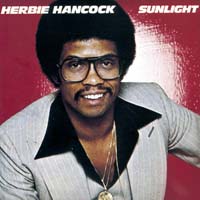 1978Sunlight
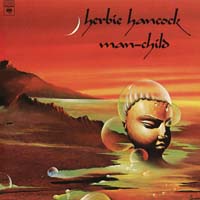 1975Man-Child
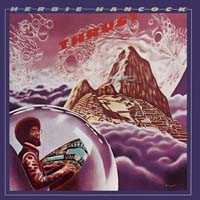 1974Thrust
 1973Head Hunters
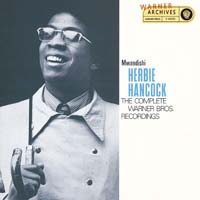 1970Mwandishi
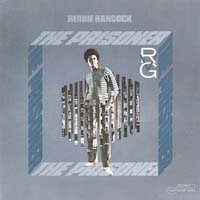 1969The Prisoner
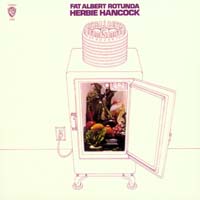 1969Fat Albert Rotunda
 1968Speak Like a Child
 1965Maiden Voyage
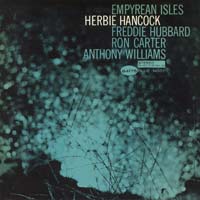 1964Empyrean Isles
 1963My Point of View