When it comes to jazz music, no name is more recognizable than Herbie Hancock. His innovative approach to music and incorporation of electronic elements into jazz has made him an icon in the industry. His musical journey is one that has inspired many and continues to do so. In this article, we will take a deep dive into the life and music of Herbie Hancock, exploring his beginnings, most famous albums, and songs that have cemented his legacy in jazz music.
Herbie Hancock was born on April 12, 1940, in Chicago, Illinois. As a child, he had a natural talent for music and began playing the piano at the age of seven. He studied at the Grinnell College and later at the Manhattan School of Music. In 1960, he was discovered by trumpeter Donald Byrd and quickly became a member of his group. This was the beginning of his musical journey and would eventually lead to his solo career.
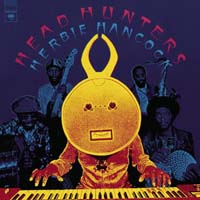
One of Hancock’s most famous albums is Head Hunters, which was released in 1973. The album was a landmark in jazz music as it incorporated elements of electronic music and funk, creating a new sound that had never been heard in jazz before. The album contained hits such as Chameleon and Watermelon Man that became fan favorites and continue to be played today.
Another album of note is Maiden Voyage, which was released in 1965. The album is a masterpiece of modern jazz, showcasing Hancock’s unique style and approach to music. The album’s title track Maiden Voyage is considered one of the greatest jazz compositions ever written and continues to be played by jazz musicians worldwide.
Hancock’s most famous song is Cantaloupe Island, which was released in 1964. The song is a perfect example of Hancock’s ability to create catchy, hook-filled melodies while incorporating his unique style and approach to music. The song has been used in many movies and TV shows and continues to be a major influence on contemporary jazz musicians.
Hancock’s musical style and influences can be traced back to his early life. Growing up in Chicago, he was exposed to blues, gospel, and jazz music, which had a profound impact on his music. He also studied classical music, which gave him the technical skills necessary to become a great jazz musician. Later in life, he would become influenced by electronic music and incorporate its elements into jazz, creating a new sound that would change the industry forever.
In conclusion, Herbie Hancock is a true jazz legend whose music continues to inspire new generations of musicians. His innovative approach to music and incorporation of electronic elements into jazz has made him a major influence on contemporary jazz. His most famous albums, songs, and musical style have cemented his legacy in jazz music, and we can only hope that he continues to create music for many years to come.
In conclusion, Herbie Hancock is a true jazz legend whose music continues to inspire new generations of musicians. His innovative approach to music and incorporation of electronic elements into jazz has made him a major influence on contemporary jazz. His most famous albums, songs, and musical style have cemented his legacy in jazz music, and we can only hope that he continues to create music for many years to come.