Herbie Hancock is one of the most celebrated musicians in jazz history. His contributions to music have pushed boundaries and broken barriers across numerous genres, earning him respect from both influential peers and enthusiastic fans alike. But for every positive aspect about his work, there are those who take issue with Hancock's sound - some even expressing scathing critiques towards the formidable artist. In this blog post, I will evaluate Herbie Hancock’s musical career by both celebrating what he has achieved as well as attempting to understand where his critics are coming from when they express their displeasure towards him.
Jazz enthusiasts around the world share a common admiration for Herbie Hancock, the Grammy Award-winning pianist and composer known for his trailblazing contributions to the music industry. From his early days in Miles Davis' band to his solo career, Hancock has consistently pushed boundaries, earning him critical acclaim and a dedicated fan base. However, despite the widespread adulation that he receives, some remain unconvinced by his style and sound. In this blog post, we'll explore both the highs and lows of Herbie Hancock's career, delving into the reasons for his appeal as well as interrogating the critiques against him.
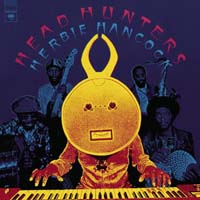
Herbie Hancock's impact on the jazz world is difficult to overstate. As a pianist, he revolutionized the use of synthesizers in jazz music, paving the way for a new era of fusion jazz that blended electronic and traditional instrumentation. Albums such as Head Hunters and Thrust are considered masterpieces of the genre, with rhythm and melody that continue to inspire contemporary musicians today. At the same time, Hancock's work with Miles Davis on albums like Kind of Blue and Seven Steps to Heaven helped define the sound of cool jazz, with his solos and accompaniments exhibiting a delicacy and precision that was unmatched at the time.
However, not all of Herbie Hancock's music has been met with universal acclaim. In his later career, some critics have criticized his experimentation with electronic sounds and pop-adjacent influences, accusing him of pandering to mainstream audiences and forsaking his roots in traditional jazz. In particular, his work on the pop album Future Shock, which included the hit single Rockit, drew ire from some purists in the jazz community who felt that it lacked the depth and musicianship that characterized his earlier work. Still, even critics of this period of his career have to acknowledge that Hancock's willingness to try new things expanded the boundaries of jazz, making it accessible to a wider audience.
Another area where the opinions on Hancock's work are divided is his forays into film scoring. His compositions for films like Blow-Up and Death Wish are often cited as examples of his musical genius, with their haunting melodies and evocative harmonies contributing greatly to the cinematic experience. However, there are others who feel that his film work detracts from his accomplishments in jazz, arguing that his talents are best appreciated in the context of the piano trio or small jazz ensemble. Despite the differing views on this aspect of his career, it's clear that Hancock's film scores demonstrate his versatility as a composer, showcasing his ability to transcend genre.
Despite the critiques that have been leveled against him, Herbie Hancock remains one of the most celebrated and influential musicians in jazz history. From his work with Miles Davis to his fusion experiments, he has continually pushed the envelope and challenged the conventions of his craft. In addition to his musical accomplishments, Hancock is also a humanitarian and educator, serving as a UNESCO Goodwill Ambassador and promoting music education programs around the world. Ultimately, the value of Hancock's contributions lies not in whether he has pleased every critic, but in his willingness to experiment, innovate, and inspire.
Exploring the career of Herbie Hancock reveals a complex and multifaceted artist who cannot be easily pigeonholed. While some of his work has been met with criticism, his overall impact on the jazz world is undeniable. From his early collaborations with Miles Davis to his later forays into electronic and film music, Hancock has consistently pushed the boundaries of his craft, inspiring generations of musicians along the way. Regardless of whether one is a die-hard fan or a skeptic, it's clear that Hancock's influence on jazz is here to stay.