ALBUM NOTESAlbum spotlight: Carl Orff – Die Kluge / Der Mond
Die Kluge / Der Mond- Album Overview
Carl Orff's "Die Kluge / Der Mond," released in 1962, showcases his distinctive approach to music and storytelling, blending operatic elements with folk influences. The album features two of his lesser-known works: "Die Kluge" (The Wise Woman) and "Der Mond" (The Moon). Both pieces reflect Orff's fascination with medieval themes and his commitment to accessibility in music.
"Die Kluge," based on a German folktale, tells the story of a clever woman who outsmarts her husband and others in the village. The music is characterized by rhythmic vitality and a rich, percussive sound that Orff is well-known for. "Der Mond," on the other hand, is a more ethereal piece that delves into the realms of fantasy and dreams, embodying Orff's ability to evoke imagery through sound.
The album was released under the Deutsche Grammophon label and features notable performers of the time, including the renowned conductor Eugen Jochum. The recording process prominently utilized Orff's Orff-Schulwerk educational philosophy, emphasizing the importance of rhythm and movement in music education.
These works, while not as famous as "Carmina Burana," have garnered attention for their innovative structure and the way they engage with the audience. They reflect Orff's belief in the power of simple melodies and rhythms to convey complex emotions and narratives. The album has seen various reissues over the years, allowing new generations to appreciate Orff's contributions to the operatic and theatrical landscape.
Review
"Die Kluge / Der Mond" encapsulates Carl Orff's artistic vision, blending drama and music in a way that is both engaging and enlightening. Musically, the work is vibrant and dynamic, with striking rhythmic patterns that are hallmarks of Orff's style. The orchestration is rich, utilizing a wide array of instruments to create textures that support the narrative and emotional arcs of the stories being told.
Lyrically, Orff's texts, often derived from folk tales, are straightforward yet profound, allowing listeners to grasp the essence of each story. The themes of cleverness and fantasy resonate with audiences, making the works relatable on multiple levels. Orff's commitment to simplicity in melody means that the music is accessible, yet it is layered enough to invite deeper analysis and appreciation.
The combination of engaging narratives and energetic music makes this album a captivating listen. However, the fusion of operatic and folk elements may not appeal to everyone, especially those who favor more traditional classical compositions.
Highlights
- The vibrant rhythmic structures characteristic of Orff's style.
- Engaging narratives that resonate with audiences of all ages.
- Rich orchestration that enhances the storytelling experience.
Weak points
- May lack the recognizable melodies found in Orff's more famous works, like "Carmina Burana."
- The fusion of styles may confuse listeners unfamiliar with Orff's approach.
- Limited mainstream recognition compared to Orff's other compositions.
Overall evaluation
"Die Kluge / Der Mond" stands as a testament to Carl Orff's innovative spirit and his ability to weave together music and narrative in a compelling way. While not as widely celebrated as some of his other works, it offers a unique glimpse into his artistic vision and the power of storytelling through music.
Personal rating: 7/10

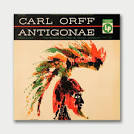 1993Antigonae
 1990De Temporum Fine Comoedia
 1960Carmina Burana
 1954Catulli Carmina