
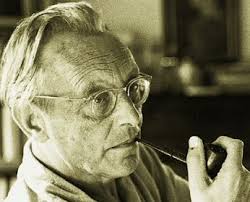
Carl Orff – Oedipus Der Tyrann: a sonic journey
Oedipus Der Tyrann- Album Overview
"Oedipus Der Tyrann," composed by Carl Orff in 1952, is a remarkable work that showcases Orff's distinctive style and his deep engagement with the themes of classical literature. This opera, based on Sophocles' tragedy "Oedipus Rex," was commissioned by the Munich State Opera and premiered in 1956. The opera is noted for its dramatic orchestration and the use of a large chorus, which is a significant characteristic of Orff's works. The score reflects his fascination with ancient Greek culture and myth, combining elements of both traditional and contemporary musical forms.
The album, released under the label Deutsche Grammophon, features a series of powerful arias and choruses that highlight Orff's unique ability to blend rhythmic intensity with lyrical beauty. Collaborating with prestigious orchestras and conductors, Orff sought to create a work that would resonate with modern audiences while remaining true to the emotional core of the original text. The opera is structured into three acts, with a range of characters brought to life through expressive vocal lines and dynamic instrumental textures.
Its cultural significance cannot be overstated; "Oedipus Der Tyrann" is often regarded as one of Orff's most important contributions to opera, reflecting the post-World War II fascination with addressing timeless human struggles through art. The themes of fate, blindness, and truth resonate deeply, making it a relevant commentary even in contemporary society. The album has also been the subject of various recordings and interpretations, solidifying its place in the classical repertoire.
Review
The auditory experience of "Oedipus Der Tyrann" is both gripping and evocative. Orff's signature style shines through in the vivid orchestration and rhythmic vitality of the score. From the haunting opening chorus to the climactic moments of tragedy, the music captures the essence of the narrative, drawing listeners into the emotional turmoil of the characters. The use of percussion is particularly striking, providing a foundation that complements the urgency of the libretto.
Orff's libretto, co-written with his collaborator, is stark yet profound, capturing the essence of Sophocles' exploration of fate and human suffering. The lyrics’ directness and simplicity allow for a powerful delivery, particularly in the choral sections, where the collective voice echoes the themes of inevitability and despair. Each character's journey is portrayed with depth, and the dramatic contrasts within the score mirror the highs and lows of the narrative, making it a compelling theatrical experience.
Overall, "Oedipus Der Tyrann" stands as a testament to Carl Orff's artistic vision, blending musical innovation with profound storytelling. It is a work that challenges and engages, inviting listeners to reflect on the complexities of fate and humanity.
Highlights
- Powerful orchestration that enhances the dramatic tension.
- Expressive choral writing that captures the essence of the narrative.
- A profound exploration of timeless themes such as fate and human suffering.
Weak points
- The complexity of the score may be challenging for some listeners.
- Occasional pacing issues that could disrupt the dramatic flow.
- Limited accessibility for those unfamiliar with operatic structures.
Overall evaluation
"Oedipus Der Tyrann" by Carl Orff is a significant work that combines rich musical textures with a profound narrative. While it poses challenges in its complexity, the emotional and thematic depth makes it a rewarding listen for those willing to engage with it.
Personal rating: 8/10 1993Antigonae
 1990De Temporum Fine Comoedia
 1960Carmina Burana
 1954Catulli Carmina