
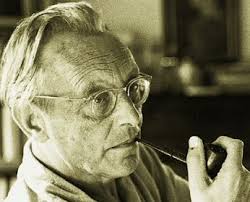
The evolution of Carl Orff in Orff: Carmina Burana
Orff: Carmina Burana- Album Overview
"Orff: Carmina Burana" is a landmark work composed by German composer Carl Orff, first premiered in 1937. This cantata is based on 24 poems from the 11th or 12th century, found in a manuscript in the Benedictine monastery of Benediktbeuern. The album features a rich blend of orchestral and choral music, drawing on medieval secular texts that discuss themes of fortune, love, and the pleasures of life, showcasing Orff's innovative approach to classical music. The work is divided into three sections: "Primo Vere" (In Spring), "In Taberna" (In the Tavern), and "Cour d'Amours" (The Court of Love), with the infamous "O Fortuna" opening and closing the composition, which has become emblematic of Orff’s style and has permeated popular culture. The original recording was released by Decca Records, and numerous interpretations have followed, each bringing their distinct flair to Orff's powerful rhythms and bold harmonies. Collaborators on various recordings have included renowned conductors such as Herbert von Karajan and the London Philharmonic Orchestra. The album’s production captures the raw energy and theatricality of Orff's vision, making it a staple in concert halls and a favorite among choirs worldwide. Its cultural significance is undeniable; "Carmina Burana" has influenced diverse genres, from film scores to pop music, showcasing the timelessness of Orff's work.
Review
The sound of "Orff: Carmina Burana" is characterized by its rhythmic vitality and stark contrasts, which are hallmarks of Orff's compositional style. The bold orchestration, with its driving percussion and lush harmonies, creates an atmosphere of urgency and exuberance. The lyrics, sung in a mix of Latin and Middle High German, convey a sense of hedonism and the unpredictable nature of fate, encapsulated poignantly in the famed "O Fortuna." Orff's artistic vision is one that celebrates life in all its forms, capturing the joys and sorrows of human experience through music that is both accessible and profound. While the work is often seen as a straightforward choral composition, its layered textures and complex rhythms reveal a depth that invites repeated listening. The interplay between choir and orchestra is expertly balanced, allowing the text's emotional weight to resonate powerfully. Orff's ability to meld traditional forms with modern sensibilities has secured "Carmina Burana" a place not only in the classical repertoire but also in the broader musical landscape.
Highlights
- Powerful orchestration and rhythmic vitality that energizes the performance.
- Timeless themes of fate and the human experience resonate with audiences.
- Memorable melodies that have crossed over into popular culture.
Weak points
- Repetitive musical motifs may not appeal to all listeners.
- Some may find the lyrics' medieval references challenging to relate to.
- The grandiosity of the work can overshadow subtlety in interpretation.
Overall evaluation
"Orff: Carmina Burana" stands as a monumental achievement in 20th-century music, bridging the gap between classical and popular forms. Its ability to evoke a range of emotions through simple yet powerful musical language makes it a timeless piece that continues to captivate audiences worldwide.
Personal rating: 9/10 1993Antigonae
 1990De Temporum Fine Comoedia
 1960Carmina Burana
 1954Catulli Carmina