
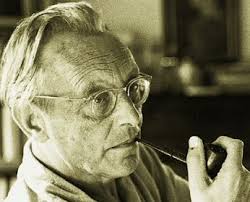
Carmina Burana: Cantiones Profanae: the next chapter for Carl Orff
Carmina Burana: Cantiones Profanae- Album Overview
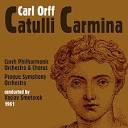
Released in 1937, Carl Orff's "Carmina Burana" is one of the most celebrated cantatas of the 20th century and a hallmark of the classical music repertoire. The piece is based on a collection of medieval poems, showcasing themes of fortune, love, and the fleeting nature of life. "Carmina Burana: Cantiones Profanae" serves as a continuation of Orff's exploration into the profane and the secular, aiming to delve deeper into the universal human experience. The album was released under the Deutsche Grammophon label, recorded with a full orchestral arrangement, choir, and soloists, which is a hallmark of Orff's grand style. The recording brought together prominent collaborators, including the renowned conductor and chorus master, who helped to shape the definitive sound of this work. The album features the iconic opening movement "O Fortuna," which has transcended the classical genre to permeate popular culture, appearing in films, commercials, and other media. Its rhythmic vitality and powerful choral writing reflect Orff's desire to connect with audiences on a primal level. The album is not merely a rehash of the original; instead, it presents Orff's innovative approach to composition by blending traditional forms with modern sensibilities. This work has significantly influenced both classical and contemporary music, affirming Orff's legacy as a transformative figure in 20th-century music. "Carmina Burana: Cantiones Profanae" continues to resonate with audiences, showcasing the timeless nature of its themes and Orff's genius.
Review
In "Carmina Burana: Cantiones Profanae," Orff successfully marries a vigorous musical language with direct emotional appeal. The album features a vibrant orchestration, characterized by driving rhythms and rich harmonic textures that heighten the intensity of the lyrical content. Orff's use of the choir is particularly noteworthy, as it adds a grand, theatrical dimension that elevates the experience for the listener. The lyrics, drawn from various medieval sources, reflect a celebration of life’s pleasures and its inevitable sorrows, encapsulating the duality of human existence. Orff’s unique ability to convey these themes through music makes the work not only accessible but profoundly relatable. The rhythmic motifs are infectious, drawing audiences into a collective experience, while the contrasting sections provide moments of introspection amidst the exuberance. Artistically, Orff's vision transcends mere entertainment; it challenges listeners to confront their own experiences of love, fate, and the passage of time. The album stands as a testament to Orff's belief in the power of music as a vehicle for emotional expression and cultural reflection.
Highlights
- Dynamic orchestration that brings the medieval texts to life.
- Powerful choral performances that enhance the emotional depth of the work.
- Timeless themes that resonate with audiences across generations.
Weak points
- Some may find the repetitive structures limiting over extended listening.
- The grandiose style may not appeal to listeners preferring minimalistic compositions.
- Lack of variety in vocal soloists could detract from the overall experience.
Overall evaluation
"Carmina Burana: Cantiones Profanae" stands as a pivotal work in Carl Orff's oeuvre, reaffirming his status as a master of blending dramatic music with profound thematic content. While it may not cater to all musical tastes, its cultural significance and emotional impact are undeniable.
Personal rating: 8/10 1993Antigonae
 1990De Temporum Fine Comoedia
 1960Carmina Burana
 1954Catulli Carmina