ALBUM NOTESOne week with Catulli Carmina/trionfo Di Afrodite: thoughts on Carl Orff
Catulli Carmina/trionfo Di Afrodite- Album Overview
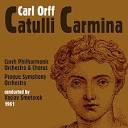
Released in 1952, "Catulli Carmina/trionfo Di Afrodite" is a significant work by the German composer Carl Orff, known for his innovative contributions to music education and his unique compositional style. This album is a fascinating blend of contemporary classical music and ancient texts, as it sets the Latin poems of Catullus to music. The recording features a powerful orchestration that combines traditional instruments with choral elements, showcasing Orff's signature rhythmic intensity and dramatic flair.
The album was released under the Deutsche Grammophon label and has since become a staple in the repertoire of choral and orchestral music. Orff's collaboration with the distinguished conductor and arranger, Hermann Scherchen, brings an added depth to the performance, making it a compelling listening experience. The work is divided into two distinct parts, "Catulli Carmina" and "Trionfo di Afrodite," both of which explore themes of love, desire, and the human condition, reflective of the poetry's vibrant emotional landscape.
"Catulli Carmina" is characterized by its bold melodies and syncopated rhythms, while "Trionfo di Afrodite" concludes with a celebratory tone that encapsulates the triumph of love. The album’s production values are high, with meticulous attention to the balance between the choir and the orchestral forces. Orff's approach to music is not merely about the notes; it is an invitation to experience the visceral power of sound and the evocative nature of the texts being set.
The cultural significance of this work lies in its ability to bridge ancient and modern sensibilities, making classical texts accessible to contemporary audiences while preserving their original essence. "Catulli Carmina/trionfo Di Afrodite" is a testament to Orff's genius, combining literary depth with a compelling musical language that resonates across generations.
Review
"Catulli Carmina/trionfo Di Afrodite" stands out as a bold venture into the realm of choral and orchestral music, showcasing Carl Orff's ability to intertwine ancient poetry with modern musicality. The album opens with an exhilarating energy that grabs the listener's attention immediately, propelled by the driving rhythms and rich harmonies that Orff is known for. The choral sections are particularly striking, with their powerful, almost primal vocalizations that evoke the raw emotions found in Catullus's poetry.
Orff's artistic vision is clear throughout the album; he seeks to create an immersive experience that resonates on both an emotional and intellectual level. The lyrics, steeped in themes of love, lust, and the triumph of the human spirit, are given a new life through Orff's masterful compositions. Each track flows seamlessly into the next, maintaining a cohesive narrative that invites listeners to reflect on the complexities of human relationships.
However, while the album excels in its orchestration and vocal performances, some may find that the intensity of the sound can overshadow the subtler nuances of the text. Nevertheless, Orff's commitment to creating a vibrant, theatrical experience is commendable, and the album ultimately serves as a powerful reminder of the timelessness of love and desire.
Highlights
- Powerful orchestration that enhances the emotional depth of the text.
- Dynamic choral performances that bring the ancient poetry to life.
- Seamless integration of rhythm and melody, characteristic of Orff's unique style.
Weak points
- Intensity of sound may overshadow subtle lyrical nuances.
- Some listeners may find the rhythmic complexity challenging to fully appreciate.
- Lack of variation in thematic material throughout the album may lead to monotony in longer listening sessions.
Overall evaluation
In conclusion, "Catulli Carmina/trionfo Di Afrodite" is a remarkable work that showcases Carl Orff's innovative approach to music and his ability to breathe new life into

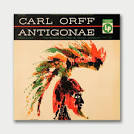 1993Antigonae
 1990De Temporum Fine Comoedia
 1960Carmina Burana
 1954Catulli Carmina