ALBUM NOTESWhy Carl Orff's Orff: Carmina Burana / Górecki: Symphony Of Sorrow matters
Orff: Carmina Burana / Górecki: Symphony Of Sorrow- Album Overview
The album "Orff: Carmina Burana / Górecki: Symphony Of Sorrow" features a powerful juxtaposition of works by two significant composers of the 20th century: Carl Orff and Henryk Górecki. Released in 1994 under the Deutsche Grammophon label, this recording brings together Orff's renowned cantata "Carmina Burana," composed in 1936, and Górecki's "Symphony No. 3," often referred to as the "Symphony of Sorrow," which premiered in 1976. This album showcases the powerful and emotive capabilities of choral and orchestral music.
The recording features the London Philharmonic Orchestra, conducted by the acclaimed conductor, Sir Charles Mackerras, alongside the London Philharmonic Choir. "Carmina Burana," based on medieval poems that explore themes of fortune, love, and the joys and sorrows of life, is known for its exuberant rhythms and dramatic vocal lines. On the other hand, Górecki's symphony, particularly the second movement, has gained immense popularity for its hauntingly beautiful melodies, reflecting on themes of loss and longing.
The album is significant not only for its artistic merit but also for its cultural impact. "Carmina Burana" has become a staple in popular culture, often featured in commercials and films, while Górecki's Symphony has been pivotal in bringing contemporary classical music to wider audiences. This recording stands as a testament to the emotional depth and sonic richness that both composers achieve, making it a valuable addition to the classical music canon.
Review
The album opens with Orff's "Carmina Burana," immediately captivating listeners with its bold orchestration and rhythmic vitality. The famous "O Fortuna" sets a dramatic tone, with powerful choral forces and striking percussion. Orff's writing is both accessible and profound, making it a favorite for audiences and performers alike. The soloists shine throughout the cantata, bringing the text to life with vibrant expression.
Transitioning to Górecki's "Symphony No. 3," the mood shifts to a more contemplative and melancholic atmosphere. The use of a soprano soloist to deliver the poignant text adds an intimate layer to the symphony's emotional landscape. The lush orchestration combined with the minimalist motifs create a sense of longing that resonates deeply with listeners.
The album's production quality is superb, allowing the nuances of both works to be appreciated fully. Mackerras leads the orchestra with clarity and passion, navigating the contrasting styles with finesse. This duality of sound encapsulates the human experience, making this album an essential listen.
Highlights
- The thrilling and iconic opening of Orff's "O Fortuna."
- The haunting beauty of Górecki's second movement, showcasing the soprano's ethereal voice.
- Exceptional orchestral and choral performance that elevates both compositions.
Weak points
- Some listeners may find the juxtaposition of the two works jarring due to their contrasting moods.
- The length of the album may be daunting for those unfamiliar with classical music.
- The orchestration in Górecki's Symphony may feel sparse to those preferring richer textures.
Overall evaluation
"Orff: Carmina Burana / Górecki: Symphony Of Sorrow" successfully captures the emotional breadth of human experience through its two distinct musical narratives. While both works stand on their own, their combination creates a powerful listening experience.
Personal rating: 9/10

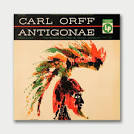 1993Antigonae
 1990De Temporum Fine Comoedia
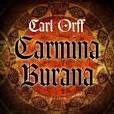 1960Carmina Burana
 1954Catulli Carmina