
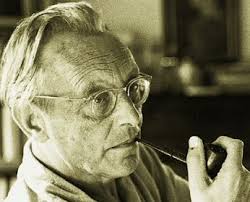
Carl Orff – Orff: Catulli Carmina / Egk: La Tentation De Saint: track-by-track perspective
Orff: Catulli Carmina / Egk: La Tentation De Saint- Album Overview
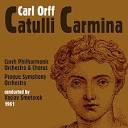
Released in 1960, "Orff: Catulli Carmina / Egk: La Tentation De Saint" brings together two significant works by composers Carl Orff and Paul Hindemith Egk. This album showcases Orff's "Catulli Carmina," which is a choral suite based on the Latin texts of the Roman poet Catullus, and Egk's "La Tentation De Saint Antoine," a dramatic oratorio that delves into the themes of temptation and spiritual struggle. The album was recorded under the Deutsche Grammophon label, known for its commitment to high-quality classical recordings and its focus on prominent composers. The recording features a collaboration of talented musicians and vocalists, including the renowned Bavarian State Opera Choir and the Munich Philharmonic Orchestra, directed by the esteemed conductor Hermann Scherchen. Orff's work is celebrated for its rhythmic vitality and accessibility, characterized by a bold orchestration that combines choral singing with percussive elements, making it a staple in the choral repertoire. Egk's composition, in contrast, is a more nuanced exploration, employing lush harmonies and intricate vocal lines that reflect the psychological complexities of Saint Anthony's trials. This album not only exemplifies the rich tapestry of mid-20th-century classical music but also highlights Orff's impact on choral music and Egk's unique contribution to the operatic landscape. The album serves as a bridge connecting audiences to the emotional depth and cultural significance of both composers while inviting listeners to appreciate the beauty and challenges of human experience encapsulated in music.
Review
"Orff: Catulli Carmina / Egk: La Tentation De Saint" presents a fascinating juxtaposition of two distinct musical languages. Carl Orff's "Catulli Carmina" is marked by its infectious rhythms and vibrant choral arrangements that seem to leap from the speakers, engaging listeners with its visceral energy. The use of percussion and the dramatic dynamics create an immersive experience that captures the essence of Catullus's poetry, celebrating themes of love and betrayal with a contemporary flair. In contrast, Egk's "La Tentation De Saint" offers a more introspective and contemplative soundscape. The orchestration is lush and complex, with a focus on the subtleties of human emotion. Egk masterfully blends orchestral and vocal elements, crafting a narrative that is as haunting as it is beautiful, probing the depths of spiritual conflict. The lyrical content, while less accessible than Orff's, rewards listeners with its intricate storytelling and emotional depth. Overall, the album succeeds in showcasing the artistic visions of both composers, presenting a compelling listening experience that balances exuberance with introspection. The production quality is top-notch, allowing the nuances of each piece to shine through, making it an essential addition for both classical aficionados and newcomers alike.
Highlights
- The energetic choral arrangements of "Catulli Carmina" that captivate and engage listeners.
- Egk's rich orchestration and emotional depth in "La Tentation De Saint," providing a profound listening experience.
- High production quality that brings out the nuances of both compositions beautifully.
Weak points
- The complexity of Egk's lyrical content may be challenging for some listeners.
- While Orff's work is accessible, it may overshadow the subtleties of Egk's composition for those less attuned to classical music.
- The album's thematic shifts between exuberance and introspection might disrupt the listening flow for some audiences.
Overall evaluation
"Orff: Catulli Carmina / Egk: La Tentation De Saint" is a noteworthy exploration of two contrasting yet complementary works that showcase the brilliance of both Carl Orff and Paul Hindemith Egk. It serves as a
 1993Antigonae
 1990De Temporum Fine Comoedia
 1960Carmina Burana
 1954Catulli Carmina