
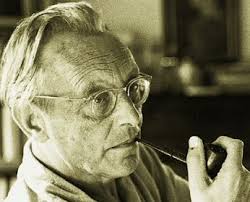
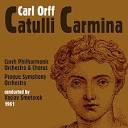
Inside the atmosphere of Carl Orff's Catulli Carmina / Thriumph Of Aphrodite
Catulli Carmina / Thriumph Of Aphrodite- Album Overview
"Catulli Carmina," composed by Carl Orff in 1954, is a dramatic cantata based on the poems of the Roman poet Catullus. It was followed by "Thriumph Of Aphrodite," which was created in 1956. Together, these works highlight Orff's unique ability to blend classical themes with modernist sensibilities. The album was released in 1961 under the label Deutsche Grammophon and features a rich orchestration complemented by vibrant choral arrangements. Orff, known for his earlier success with "Carmina Burana," continues to explore themes of love, longing, and the human experience in these compositions. The recording of "Catulli Carmina / Thriumph Of Aphrodite" showcases Orff's collaboration with prominent performers, including the Munich Philharmonic and renowned vocalists. The album's tracks, such as "Carmen Saeculare" and "Odi et Amo," evoke a sense of ancient passion while maintaining a modern rhythmic flair. The production benefits from a meticulous orchestration that highlights the dynamics of the text, allowing the audience to engage deeply with the emotional landscape of Catullus's poetry. Musically, the pieces employ a blend of traditional choral music and innovative orchestration, underlining Orff's position as a pivotal figure in 20th-century classical music. The album not only serves as a testament to Orff's artistic vision but also offers listeners a glimpse into the cultural backdrop of post-war Europe, where art served as both a reflection and an escape from the tumult of the time.
Review
The sound of "Catulli Carmina / Thriumph Of Aphrodite" is distinctly Orff, characterized by its rhythmic vitality and lyrical expressiveness. The music captures the essence of Catullus's poetry, oscillating between raw emotion and refined beauty. The orchestration is lush, with striking contrasts in dynamics that mirror the tumultuous nature of love as depicted in the texts. Lyrically, Orff’s choice of texts from Catullus is bold, encapsulating both the ecstasy and agony of romantic relationships. The vocal performances are powerful, with a sense of urgency that drives the narrative forward. Orff's artistic vision shines through in his ability to evoke ancient themes with contemporary relevance, making the album resonate with listeners across generations. While the album remains rooted in traditional forms, there is an undeniable modernity to its execution. The use of percussion and dramatic choral passages creates an immersive experience, drawing the listener into the emotional core of each piece. Overall, the album is a compelling addition to Orff's oeuvre, reflecting his continuous exploration of human emotion through music.
Highlights
- Rich orchestration that enhances the emotional depth of the poetry.
- Powerful and dynamic choral performances that captivate the listener.
- Innovative blending of ancient texts with modern musical techniques.
Weak points
- Some listeners may find the style too avant-garde compared to more traditional classical works.
- The dramatic intensity may not appeal to those preferring softer or more melodic compositions.
- Limited accessibility for audiences unfamiliar with the works of Catullus.
Overall evaluation
"Catulli Carmina / Thriumph Of Aphrodite" stands out as a significant work in Carl Orff's repertoire, showcasing his mastery of blending poetic texts with innovative musical expression. The album is a powerful reflection of love’s complexities and resonates with both emotional and intellectual depth. Personal rating: 8/10
 1993Antigonae
 1990De Temporum Fine Comoedia
 1960Carmina Burana
 1954Catulli Carmina