
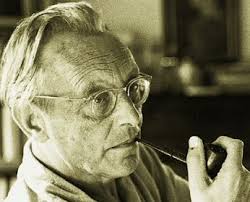
Breaking down the themes in Carmina Burana (cantiones Profanae) by Carl Orff
Carmina Burana (cantiones Profanae)- Album Overview
"Carmina Burana (cantiones Profanae)" is a cantata composed by Carl Orff, first premiered in 1937. This iconic work is based on a collection of 24 poems from the 11th or 12th century, discovered in the Benediktbeuern Abbey in Bavaria, Germany. The music is characterized by its rhythmic vitality and bold orchestration, typically performed with a large chorus, soloists, and orchestra. The piece is divided into three main sections: 'Spring' (Veris Leta Facies), 'In the Tavern' (In Taberna), and 'The Court of Love' (Cura Posteritatis). Orff's composition is noted for its innovative use of melody and harmony, often employing a percussive style that emphasizes rhythm over complex counterpoint. The work was recorded widely, with significant contributions from notable conductors and performers, such as Herbert von Karajan and the Munich Philharmonic Orchestra. "Carmina Burana" gained immense popularity, especially in the mid-20th century, and it has since become a staple in the classical repertoire. The thematic content explores the fickleness of fortune, the joys and sorrows of love, and the pleasures of drinking and revelry, reflecting the medieval worldview while resonating with contemporary audiences. The album was released under various labels, most notably Deutsche Grammophon, and has seen numerous reissues and interpretations over the decades. Its cultural significance cannot be overstated, as it has transcended the concert hall, being utilized in various films, commercials, and popular media, thus embedding itself firmly in the collective consciousness.
Review
Musically, "Carmina Burana" is a stunning embodiment of Orff's vision, blending medieval texts with a modern compositional style that remains accessible yet profound. The driving rhythms and stark melodic lines create an atmosphere that is both celebratory and contemplative. The opening movement, "O Fortuna," is particularly famous, often regarded as a powerful anthem that captures the essence of fate's unpredictability. Lyrically, the text oscillates between hedonism and melancholy, reflecting the dualities of human experience. The juxtaposition of joyous celebration in the tavern with the somber reminders of life's transience creates a rich tapestry of emotional depth. Orff's ability to convey these themes through music, with dramatic dynamics and vivid orchestration, enhances the visceral impact of the lyrics. Overall, "Carmina Burana" stands as a testament to Orff's artistic vision, successfully marrying text and music to explore timeless human themes. Its ability to evoke strong emotional responses makes it a remarkable piece that continues to resonate with audiences across generations.
Highlights
- Dynamic orchestration that enhances the emotional depth of the piece.
- Memorable melodies that have become iconic in classical music.
- Rich thematic exploration of love, fate, and revelry.
Weak points
- Repetitive structures may not appeal to all listeners.
- Occasional overemphasis on rhythm at the expense of melodic development.
- Some may find the medieval texts challenging to relate to modern experiences.
Overall evaluation
"Carmina Burana" is a masterwork that successfully bridges the gap between medieval poetry and 20th-century music. Its emotional resonance and rhythmic vitality ensure its place as a classic in the choral repertoire.
Personal rating: 9/10 1993Antigonae
 1990De Temporum Fine Comoedia
 1960Carmina Burana
 1954Catulli Carmina