
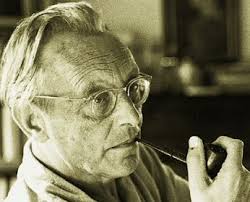
One week with Orff: Die Kluge / Der Mond: thoughts on Carl Orff
Orff: Die Kluge / Der Mond- Album Overview
The album "Orff: Die Kluge / Der Mond," released in 1975, showcases two of Carl Orff's significant operatic works: "Die Kluge" (The Wise Woman) and "Der Mond" (The Moon). Orff, best known for his influential cantata "Carmina Burana," explores similar themes of myth and morality in these pieces, which reflect his unique blend of folk traditions and modernist influences. "Die Kluge," premiered in 1943, is a fable-like story that delves into themes of wisdom and folly, while "Der Mond," first performed in 1939, presents a whimsical tale of a king and his quest for the moon. The album was released under the Deutsche Grammophon label, a prominent name in classical music that has supported many significant recordings throughout the years. The recording features an impressive cast of singers and musicians, bringing Orff's imaginative orchestration and rhythmic vitality to life. The performances are characterized by their dynamic energy and playful interaction, hallmarks of Orff's style. Notably, the album includes a robust orchestral accompaniment that enhances the storytelling aspect of the operas. Collaborators on this recording include notable conductors and performers who have dedicated their careers to bringing Orff's works to the stage. "Die Kluge / Der Mond" has been subject to various interpretations and productions, but this recording stands out for its clarity and attention to Orff's original intentions. The album's cultural significance is underscored by the way it continues to resonate with audiences, showcasing Orff's timeless ability to blend humor with serious moral lessons in a way that is accessible and engaging.
Review
The album "Orff: Die Kluge / Der Mond" presents a captivating listening experience that draws the audience into the whimsical and thought-provoking worlds created by Carl Orff. The sound is marked by a vibrant orchestration, with percussion playing a vital role, creating an energetic backdrop that complements the narrative flow of both operas. Orff's distinctive rhythmic patterns are immediately recognizable, drawing listeners into a hypnotic state that is both engaging and stimulating. Lyrically, the works reflect Orff's fascination with folklore and human morality, often employing simplicity to convey complex themes. The characters in "Die Kluge" exemplify various aspects of human nature, while "Der Mond" offers a fantastical exploration of ambition and desire. This blend of the absurd and the profound is a testament to Orff's artistic vision, allowing for a multifaceted interpretation of the stories. However, while the musicality shines, the operatic form may present challenges for some listeners unfamiliar with the genre. Orff's unique style, with its rhythmic intensity and lyrical directness, may require an adjustment period for those used to conventional classical forms.
Highlights
- Vibrant orchestration that brings the narratives to life.
- Engaging characters and themes that resonate with universal human experiences.
- Strong performances that showcase the talent of both singers and musicians.
Weak points
- May be challenging for listeners unfamiliar with operatic form.
- Some sections may feel repetitive in rhythm and structure.
- Limited vocal range in some character portrayals may detract from emotional depth.
Overall evaluation
In summary, "Orff: Die Kluge / Der Mond" is a vibrant exploration of Carl Orff's operatic genius, combining humor and moral reflection in a captivating musical experience. While it may not appeal to everyone due to its unconventional operatic style, it remains an essential listen for those interested in the blend of folk traditions with modern classical composition.
Personal rating: 8/10 1993Antigonae
 1990De Temporum Fine Comoedia
 1960Carmina Burana
 1954Catulli Carmina