
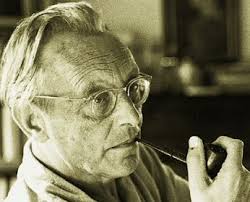
The evolution of Carl Orff in Carmina Burana (monash University Production)
Carmina Burana (monash University Production)- Album Overview
"Carmina Burana" is a cantata composed by Carl Orff, based on 24 poems from the 11th or 12th century. Originally premiered in 1937, this work has maintained its popularity, showcasing a vibrant mix of classical and modern influences. The Monash University production of "Carmina Burana" serves as a testament to Orff's lasting impact on music education and performance. This rendition was recorded in 2021, featuring the talents of students and faculty from Monash University, and highlights the collaborative spirit inherent in Orff’s work.
The performance integrates orchestral and choral elements, bringing the dramatic themes of fate, fortune, and the pleasures of life to the forefront. The recording captures the raw energy of the students, aligning with Orff's original vision for the piece, which emphasizes rhythm and vocal clarity. Notable collaborators include the Monash University Choir and Orchestra, both of which contribute to a rich tapestry of sound that immerses the listener in the work's historical context.
This production not only respects the original orchestration by Orff but also innovates through the use of modern recording techniques, showcasing the evolution of performance practice in a contemporary setting. The Monash University production of "Carmina Burana" is a remarkable exploration of Orff’s genius, presenting an educational opportunity for students and a fresh listening experience for audiences. This project exemplifies the importance of cultural heritage in music, reminding us of the timeless nature of Orff's work.
Review
The Monash University production of "Carmina Burana" offers a captivating experience that balances both reverence for the original score and an energetic interpretation that reflects the youthful spirit of its performers. The orchestration, while faithful to Orff's distinctive style, benefits from the vibrant enthusiasm of the student musicians, who infuse the performance with a fresh vitality. The choral arrangements are particularly striking, with the voices of the choir resonating powerfully, creating a dynamic interplay with the orchestra.
Lyrically, the cantata explores themes of love, fate, and the joys of life, which are rendered with vivid imagery that is both accessible and profound. The students’ interpretations of these themes allow the audience to connect with the material on a deeper level, showcasing the universality of Orff’s message. The artistic vision of this production shines through in its ability to engage listeners, inviting them to reflect on the timeless human experiences that Orff so eloquently captures.
Highlights
- Vibrant orchestral and choral performances that capture the spirit of Orff's original work.
- Engaging interpretations by student musicians, bringing a fresh perspective to the classic piece.
- Effective use of modern recording techniques that enhance the overall listening experience.
Weak points
- Occasional inconsistencies in vocal clarity, likely due to the varying experience levels of student performers.
- Some orchestral sections may lack the polish of professional recordings.
- Limited promotional outreach may hinder wider recognition of this impressive production.
Overall evaluation
The Monash University production of "Carmina Burana" successfully honors Carl Orff's legacy while providing an engaging platform for students to showcase their talents. Despite minor weaknesses, the overall presentation is a commendable effort that reflects both the historical significance and contemporary relevance of Orff's work.
Personal rating: 8/10 1993Antigonae
 1990De Temporum Fine Comoedia
 1960Carmina Burana
 1954Catulli Carmina