
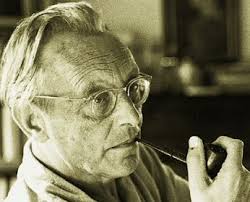
Carl Orff – Die Kluge / Der Mond: track-by-track perspective
Die Kluge / Der Mond- Album Overview
"Die Kluge / Der Mond" is a remarkable album that showcases the genius of German composer Carl Orff, released in 1966. This two-part opera features "Die Kluge" (The Wise Woman) and "Der Mond" (The Moon), both of which are outstanding examples of Orff's unique blend of music and theatrical storytelling. The album was released under the Deutsche Grammophon label, known for its commitment to high-quality classical recordings.
Orff, who gained fame for his earlier work "Carmina Burana," composed both works in a style that combines elements of folk music and modern classical forms, creating a sound that is both accessible and profound. The recordings feature an impressive ensemble of performers, including professional singers and orchestral musicians, which adds depth and richness to the overall sound. Notable collaborators included conductor Robert Heger and the Munich Philharmonic Orchestra, who brought Orff's vision to life with their skillful interpretations.
"Die Kluge" tells the story of a clever woman who outsmarts her suitors, while "Der Mond" presents a more whimsical narrative involving the moon and its interactions with humans. Each piece is characterized by rhythmic vitality and striking melodic lines, showcasing Orff’s ability to create engaging, dramatic music that resonates with audiences. The album has remained significant in the operatic repertoire, reflecting Orff's contribution to the revival of German opera in the mid-20th century. Its themes of wisdom, love, and ambition continue to resonate, making it a vital part of the classical music landscape.
Review
The album "Die Kluge / Der Mond" is a captivating exploration of Orff's artistic vision, merging theatrical elements with a rich musical narrative. The sound is characterized by its rhythmic drive and a strong sense of drama, hallmarks of Orff's style. The orchestration is vibrant, employing a variety of instruments that create a tapestry of sound, complementing the vocal lines beautifully.
Lyrically, the texts are imbued with a sense of folk wisdom and humor, effectively conveying the stories that unfold. Orff’s ability to write for the voice is evident in the way he crafts melodies that are both singable and expressive. However, some listeners may find the simplicity of the lyrics somewhat limiting compared to the complexity found in other operatic works.
Overall, the album stands as a testament to Orff's genius, showcasing his ability to blend traditional and modern elements while maintaining a strong connection to the human experience. The production quality is impeccable, allowing the nuances of the performances to shine through, making it a must-listen for both opera enthusiasts and newcomers alike.
Highlights
- Engaging and rhythmic orchestration that captures the listener's attention.
- Strong vocal performances that convey the emotional depth of the narratives.
- Innovative blend of folk influences with classical elements, showcasing Orff's unique style.
Weak points
- Simplicity of lyrics may not appeal to all opera lovers seeking complexity.
- Some may find the narrative structure less conventional compared to traditional operas.
- Limited availability of performances may restrict wider recognition of the works.
Overall evaluation
"Die Kluge / Der Mond" is a delightful exploration of Carl Orff's musical storytelling, rich in rhythmic vitality and charm. While it may not satisfy those seeking intricate lyrical complexity, its engaging narratives and vibrant sound make it a compelling addition to any classical music collection.
Personal rating: 8/10 1993Antigonae
 1990De Temporum Fine Comoedia
 1960Carmina Burana
 1954Catulli Carmina