
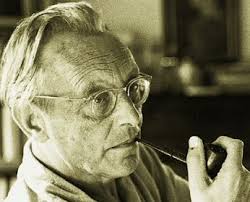
Review of Carl Orff – Catulli Carmina / Trionfo Di Afrodite
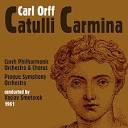
Catulli Carmina / Trionfo Di Afrodite- Album Overview
"Catulli Carmina" and "Trionfo Di Afrodite," two significant works by German composer Carl Orff, were brought together in a single release in 1975. This album is a fascinating exploration of Orff's unique style, which combines elements of classical music with a strong rhythmic foundation and expressive vocal lines. "Catulli Carmina" is based on the poetry of the Roman poet Catullus, and it showcases Orff's ability to evoke the emotional intensity of the texts through music. The work is notable for its use of Latin, which adds an authentic touch to the ancient themes of love and longing.
"Trionfo Di Afrodite," on the other hand, is a more celebratory piece, reflecting themes of beauty and triumph. Both works were recorded under the label Deutsche Grammophon, a key player in classical music recordings, and feature a well-chosen ensemble of vocalists and instrumentalists, including a full orchestra and choir. The album was produced by the renowned conductor and musicologist, and it benefits from high-quality recording techniques typical of the 1970s. The release has garnered attention not only for its compelling compositions but also for its cultural significance, as it brings to life ancient texts through Orff's distinct musical lens.
The album has also made its mark in the world of performance, with numerous adaptations and renditions in various concert settings since its release. "Catulli Carmina" is particularly celebrated for its rhythmic vitality, while "Trionfo Di Afrodite" has been embraced for its lush harmonies. Both pieces continue to resonate with audiences today, speaking to Orff's enduring legacy in the realm of choral and orchestral music.
Review
The album "Catulli Carmina / Trionfo Di Afrodite" showcases Carl Orff's unique synthesis of traditional classical elements with a modern sensibility. The sound is characterized by its rhythmic drive and the dynamic interplay between the choir and orchestral forces. Orff's use of percussive elements and his signature choral writing creates an engaging listening experience that is both powerful and evocative. The lyrics, rooted in ancient Roman poetry, are brought to life with a sense of urgency and passion that is quintessentially Orff. His artistic vision is clear throughout both pieces, as he seeks to connect the listener with the primal emotions expressed in the texts.
Musically, the album excels in its ability to convey the contrasts of human experience—joy, longing, and celebration—through a rich tapestry of sound. The vocal performances are particularly noteworthy, with the choir delivering a robust and expressive interpretation of Orff's challenging passages. While "Catulli Carmina" leans towards a more introspective tone, "Trionfo Di Afrodite" bursts forth with exuberance, making for a well-rounded listening experience.
Highlights
- Powerful choral arrangements that enhance the emotional depth of the texts.
- Dynamic orchestration that showcases Orff's innovative use of rhythm and melody.
- Cultural significance in reviving ancient Roman poetry through modern composition.
Weak points
- Some listeners may find the ancient language a barrier to full appreciation.
- The album's thematic focus may not resonate with all audiences.
- Occasional unevenness in the pacing of the two works may detract from the overall flow.
Overall evaluation
"Catulli Carmina / Trionfo Di Afrodite" is a compelling testament to Carl Orff's genius, weaving together ancient texts and modern musical expression. While it may not cater to every listener's taste, its artistic merit and cultural heritage are undeniable.
Personal rating: 8/10 1993Antigonae
 1990De Temporum Fine Comoedia
 1960Carmina Burana
 1954Catulli Carmina