ALBUM NOTESRick Wakeman – White Rock Ii: a sonic journey
White Rock Ii- Album Overview
Rick Wakeman's "White Rock II," released in 2022, serves as a sequel to his 1977 album "White Rock," which was originally created as the soundtrack for the BBC documentary on the 1976 Winter Olympics in Innsbruck, Austria. This new installment, released under the label Blacklake, showcases Wakeman's enduring prowess as a keyboardist and composer, blending progressive rock with orchestral elements. The album features a diverse range of tracks that highlight Wakeman's virtuosic piano skills and his ability to craft intricate melodies.
Collaborating with a variety of musicians, including seasoned session players and younger talent, Wakeman brings fresh energy to the album while maintaining his classic sound. The recording sessions took place at the renowned Abbey Road Studios, allowing for high-quality production that enhances the album's sonic depth. Unlike its predecessor, which primarily focused on the theme of winter sports, "White Rock II" explores broader themes of nature and human experience, capturing the essence of both the serene and tumultuous aspects of life.
"White Rock II" includes standout tracks like "The Call of the Wild" and "Reflections," each showcasing intricate arrangements and emotional depth. The album reflects Wakeman's journey through the decades, demonstrating his ability to evolve while staying true to his roots. The singles released from the album have been well-received, further solidifying Wakeman's status as a titan in the progressive rock genre. This album not only pays homage to its predecessor but also stands alone as a testament to Wakeman's artistic vision and cultural significance in the music landscape.
Review
"White Rock II" is a triumphant return to form for Rick Wakeman, showcasing his unparalleled talent in both composition and performance. The album's sound is rich and layered, characterized by sweeping synthesizers, intricate piano passages, and orchestral backing that creates a lush sonic landscape. Each track offers a unique atmosphere, ranging from the ethereal to the dramatic, reflecting Wakeman's deep connection to the themes of nature and human emotion.
The artistry present in the album is unmistakable, as Wakeman masterfully blends traditional rock elements with classical influences, illustrating his background as a classically trained musician. The absence of lyrics allows the music to take center stage, enabling listeners to interpret the pieces through their own experiences. This artistic choice also serves as a reminder of Wakeman's ability to convey emotion without the need for words, a hallmark of his career.
However, while the album is largely a success, it sometimes leans heavily on nostalgia, which may not resonate with newer audiences unfamiliar with Wakeman's earlier work. Nevertheless, "White Rock II" is a testament to the evolution of one of progressive rock's most iconic figures.
Highlights
- Intricate and emotive piano compositions
- Rich orchestral soundscapes that enhance the overall experience
- A successful blend of classic and contemporary elements
Weak points
- Occasional reliance on nostalgia that may not appeal to all listeners
- Pacing issues in certain tracks that could disrupt the flow
- Lack of vocal elements may limit accessibility for some audiences
Overall evaluation
"White Rock II" is a powerful addition to Rick Wakeman's discography, showcasing his enduring talent and creativity. It effectively bridges the past and present of progressive rock while inviting listeners on an introspective sonic journey.
Personal rating: 8/10

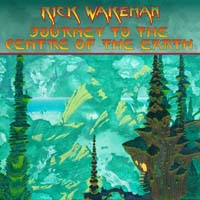
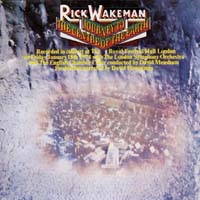 1974Journey to the Centre of the Earth
 1973The Six Wives of Henry VIII