
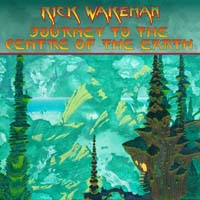
First impressions of Rick Wakeman – Starship Trooper
Starship Trooper- Album Overview
"Starship Trooper" is a notable album from British keyboardist Rick Wakeman, released in 1974. It showcases his skill as a virtuoso musician and composer, blending elements of progressive rock with classical influences. The album was recorded during a prolific period in Wakeman's career, shortly after his departure from the band Yes, where he had gained fame for his elaborate keyboard work. Released under A&M Records, "Starship Trooper" features an array of musical styles, reflecting Wakeman’s diverse influences and his ability to merge rock with orchestral arrangements.
The album consists of several tracks, with the standout being the title track "Starship Trooper," which is a reinterpretation of the famous Yes song. Other notable pieces include "The Journey," and "The Return," which further highlight Wakeman's rich piano melodies and intricate synthesizer work. The recording sessions involved a skilled lineup of musicians, including the likes of bassist Chris Squire and drummer Alan White, both of whom contributed to the lush soundscapes. The album's production was handled by Wakeman himself, ensuring his artistic vision was fully realized. While it did not produce major commercial hits, it gained a dedicated following and is often celebrated for its ambitious sound and innovative approach.
Musically, "Starship Trooper" embodies the essence of 1970s progressive rock, with its complex structures and lyrical themes often exploring science fiction and philosophical ideas. It stands as a testament to Wakeman's talent and his role in shaping the progressive rock genre. The cultural significance of this album is underscored by its appeal to fans of both rock and classical music, bridging the gap between two worlds.
Review
Rick Wakeman's "Starship Trooper" is a compelling listen that encapsulates the essence of progressive rock in the mid-70s. The album opens with an ambitious orchestral arrangement, immediately showcasing Wakeman's virtuosity. The blend of rock instrumentation with classical elements creates a rich tapestry of sound that is both engaging and intricate. Wakeman's lyrical themes often delve into the realms of science fiction, reflecting a broader cultural fascination of the time, and his ability to weave these narratives into music is commendable.
Musically, the album is a tour de force, with sweeping synthesizer solos and intricate piano passages. However, some listeners may find the lack of traditional song structures challenging. The album's artistic vision remains strong, as it showcases Wakeman's desire to push the boundaries of rock music. While it may not be as accessible as some of his contemporaries' works, its depth and complexity reward those willing to invest time in its exploration.
Highlights
- Intricate keyboard work and virtuosic performances from Wakeman.
- Richly layered arrangements that blend rock and classical styles.
- Thought-provoking themes that resonate with the science fiction genre.
Weak points
- Complex structures may alienate casual listeners.
- Lack of mainstream hits might limit its appeal.
- Some tracks can feel overly ambitious or indulgent.
Overall evaluation
Rick Wakeman's "Starship Trooper" is an impressive exploration of progressive rock that highlights his musical prowess and artistic vision. While it may not cater to all tastes, its complexity and ambition make it a noteworthy entry in the genre. The album deserves recognition for its innovative approach and remains a significant work in Wakeman's discography.
Personal rating: 7/10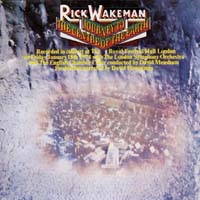 1974Journey to the Centre of the Earth
 1973The Six Wives of Henry VIII