
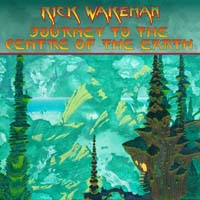
How Rick Wakeman shaped the sound of Stella Bianca Alla Corte Di Re Ferdinando
Stella Bianca Alla Corte Di Re Ferdinando- Album Overview
"Stella Bianca Alla Corte Di Re Ferdinando," released in 1979, is a concept album by the renowned English keyboardist and composer Rick Wakeman. This album, released under the label A&M Records, is inspired by the life and times of the Italian nobility during the Renaissance period. Wakeman, known for his work with the progressive rock band Yes, and his solo career, merges classical music influences with rock, creating a unique sound that reflects the grandeur and drama of its historical themes.
The album features a rich tapestry of sounds, combining Wakeman's virtuoso keyboard skills with orchestral arrangements. It includes tracks like "Prelude," "The King’s Dance," and "The Last Supper," which showcase his ability to blend complex melodies with intricate arrangements. Notably, Wakeman collaborates with a variety of musicians, including the English Chamber Choir and orchestral players, enhancing the album's depth and texture.
Wakeman's artistic vision for "Stella Bianca" was to create a narrative that transports listeners to the courts of King Ferdinand, effectively making the album not just a collection of songs but a musical journey. The album, while not as commercially successful as his earlier works, has garnered critical acclaim for its ambitious scope and rich musicality. Its blend of rock and classical elements reflects the broader trends of the late 1970s, where artists began to experiment with genre boundaries.
Review
The sound of "Stella Bianca Alla Corte Di Re Ferdinando" is a testament to Rick Wakeman's mastery of the keyboard and his innovative approach to composition. The album opens with "Prelude," which sets a majestic tone, utilizing grand piano and synthesizer harmonies that lay the groundwork for the narrative. Throughout the album, Wakeman's use of the Moog synthesizer and layered keyboards creates a lush soundscape that is both ethereal and grounded in classical tradition.
Lyrically, the album is somewhat sparse, focusing more on instrumental interludes that convey emotion and storytelling through music rather than words. This choice reinforces Wakeman's aim to evoke the historical context of the court without being constrained by the limitations of language. The artistic vision is ambitious, aiming to combine the grandeur of classical music with the energy of rock, which he largely achieves. However, some listeners may find the album's narrative structure somewhat disjointed, as it oscillates between sweeping orchestral pieces and more rock-oriented tracks.
Highlights
- The seamless blend of rock and classical elements showcases Wakeman's unique style.
- Rich orchestral arrangements enhance the storytelling aspect of the album.
- Wakeman's virtuosic keyboard performances are a standout feature throughout.
Weak points
- The narrative structure may feel disjointed to some listeners.
- Limited lyrical content could leave some wanting more from the storytelling aspect.
- Not as commercially accessible as some of Wakeman's earlier works, which may affect its reception.
Overall evaluation
"Stella Bianca Alla Corte Di Re Ferdinando" is a bold exploration of musical storytelling that highlights Rick Wakeman's talents as a composer and musician. While it may not achieve the same level of commercial success as his previous albums, it remains a significant work that contributes to the legacy of progressive rock and classical fusion.
Personal rating: 7/10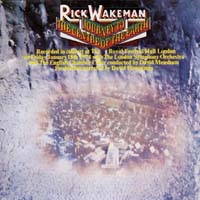 1974Journey to the Centre of the Earth
 1973The Six Wives of Henry VIII