
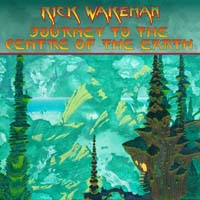
The Natural World Trilogy: discovering Rick Wakeman's artistry
The Natural World Trilogy- Album Overview
Released in 1999, "The Natural World Trilogy" is a magnificent exploration of the natural world's beauty through the lens of progressive rock's virtuoso, Rick Wakeman. This ambitious project is divided into three distinct parts, each capturing the essence of an element of nature—Earth, Water, and Air. The album was released under the label, Eagle Records, and showcases Wakeman's ability to blend thematic storytelling with intricate compositions.
The recording of the album took place at various studios, with Wakeman himself providing not only the iconic keyboards but also a plethora of instruments, including the piano, harpsichord, and synthesizers. Collaborating with a host of talented musicians, such as guitarist Adam Wakeman and drummer Tony Fernandez, the album offers a rich tapestry of sound that enhances the overarching themes of nature.
While "The Natural World Trilogy" did not yield any major chart-topping singles, its significance lies in its musicality and the way it encapsulates the beauty and complexity of our environment. The album is a testimony to Wakeman's enduring legacy in progressive rock and serves as a reminder of the genre’s potential to convey profound messages through instrumental arrangements. The intricate layering of keyboards, combined with orchestral elements, creates an immersive sonic experience that captivates listeners and invites them to reflect on the world around them.
Review
The album is a splendid showcase of Rick Wakeman's artistry and technical prowess. Each track flows seamlessly into the next, creating an overarching narrative that is both engaging and thought-provoking. The sound is rich and textured, with Wakeman's keyboards taking center stage, weaving in and out of the lush orchestral backdrops. The compositions are ambitious but maintain a sense of accessibility, making it suitable for both die-hard progressive rock fans and casual listeners alike.
Wakeman’s artistic vision shines through as he intertwines classical influences with modern sensibilities, reflecting the natural world’s beauty while invoking a sense of urgency about its preservation. The album's thematic focus resonates deeply in today's context, making it not just a musical piece but a statement on environmental awareness.
Highlights
- Exceptional musicianship and intricate keyboard work by Rick Wakeman.
- Rich orchestral arrangements that complement the thematic elements of nature.
- A seamless blend of progressive rock with classical influences, creating a unique listening experience.
Weak points
- The album may come across as overly ambitious for some listeners, potentially feeling disjointed in parts.
- Lack of vocal tracks could alienate those who prefer lyrical content in their music.
- Limited commercial appeal may restrict its reach to a broader audience.
Overall evaluation
"The Natural World Trilogy" is a compelling testament to Rick Wakeman's musical genius and his ability to create immersive experiences through sound. It is a thoughtful reflection on nature that combines technical skill with emotional depth.
Personal rating: 8/10 1974Journey to the Centre of the Earth
 1973The Six Wives of Henry VIII