
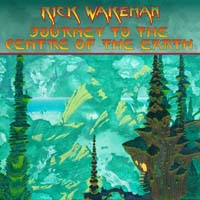
Phantom Power: discovering Rick Wakeman's artistry
Phantom Power- Album Overview
Released in 2000, "Phantom Power" is an ambitious studio album by the legendary British keyboardist and composer Rick Wakeman. Known for his work with the progressive rock band Yes and his extensive solo career, Wakeman continues to push the boundaries of his artistry in this project. The album was released under the label Eagle Records and features a diverse blend of progressive rock, classical influences, and intricate arrangements. Recorded in Wakeman's own studio, the album showcases his virtuosic keyboard skills, with a variety of synthesizers and traditional instruments coming together to create a rich sound tapestry.
Wakeman collaborated with several talented musicians on "Phantom Power," including guitarist Dave Bainbridge, bassist Tony Fernandez, and drummer Jonathan Mover, all of whom contributed to the album's dynamic sound. The album consists of several instrumental tracks, alongside pieces with lyrical content that reflect Wakeman's introspective and philosophical themes. Notable tracks include "The Journey," which exemplifies the album's thematic depth and musical diversity, and "The Lost Portrait," a piece that showcases Wakeman's signature piano work.
"Phantom Power" stands out in Wakeman's discography as a testament to his enduring creativity and ability to evolve within the progressive rock genre. The album did not produce mainstream chart-topping singles but has been well-received by fans and critics, highlighting the significance of Wakeman's contributions to the music world. As a whole, "Phantom Power" serves as a powerful reminder of the artistry that has defined Rick Wakeman's prolific career.
Review
"Phantom Power" is a compelling exploration of sound that showcases Rick Wakeman's exceptional prowess as a musician and composer. The album opens with "The Journey," an evocative piece that sets the tone for the entire project, blending orchestral elements with progressive rock sensibilities. Throughout the album, Wakeman's ability to fuse classical music with modern rock is evident, inviting listeners into a sonic landscape that is both familiar and innovative.
The lyrical content, while not the focal point of the album, offers poignant reflections on themes of introspection and existentialism, enhancing the overall listening experience. While some tracks might feel more contemplative, they are always underpinned by Wakeman's masterful keyboard arrangements, which are both intricate and accessible. The production quality is crisp, allowing each instrument to shine, further highlighting the album's artistic vision.
Overall, "Phantom Power" is a significant entry in Wakeman's extensive catalog, solidifying his legacy as one of the most innovative musicians in the progressive rock genre. The album's depth and complexity make it a rewarding listen for both longtime fans and newcomers alike.
Highlights
- Masterful keyboard work that showcases Wakeman's virtuosity.
- Innovative blend of progressive rock with classical elements.
- Thought-provoking themes that invite deeper reflection.
Weak points
- Some tracks may come off as overly introspective for casual listeners.
- Lack of mainstream singles could limit its appeal to a broader audience.
- Occasional pacing issues in the album's flow.
Overall evaluation
"Phantom Power" is a testament to Rick Wakeman's enduring creativity and artistic vision, offering a rich listening experience for those willing to delve into its depths. While it may not capture a wide audience, its intricacies will resonate deeply with fans of progressive rock.
Personal rating: 8/10 1974Journey to the Centre of the Earth
 1973The Six Wives of Henry VIII