ALBUM NOTESA closer look at Rick Wakeman's album The Myths and Legends of King Arthur and the Knights of the Round Table
The Myths and Legends of King Arthur and the Knigh- Album Overview
Rick Wakeman's "The Myths and Legends of King Arthur and the Knights of the Round Table," released in 1975, stands as a monumental work in the progressive rock genre. The album, released under the A&M Records label, showcases Wakeman's virtuosic keyboard skills and his unique ability to translate the mythos of King Arthur and the Knights into a series of musical movements. This ambitious project was inspired by the Arthurian legends, an enduring facet of British folklore, and reflects Wakeman's passion for classical music fused with rock elements.
The album features a star-studded lineup of musicians, including the London Symphony Orchestra and renowned vocalists like Ashley Holt and the English Rock Ensemble. Notably, the orchestration is elaborate, with sweeping arrangements that evoke the grandeur of the tales being told. The recording took place at the famed Abbey Road Studios, a testament to its high production quality.
Key tracks such as "Arthur" and "Merlin the Magician" highlight Wakeman's storytelling prowess through instrumental compositions, while the lyrical parts integrate elements of the lore seamlessly. The album's singles, including "The Last Battle," received critical acclaim, helping to solidify Wakeman's reputation as a leading figure in progressive rock.
Culturally, the album represents a significant moment in the 1970s rock scene, where artists began to explore thematic and narrative depth in their works. It is both a homage to the legends of old and a reflection of the era's musical experimentation.
Review
Wakeman's "The Myths and Legends of King Arthur and the Knights of the Round Table" is an ambitious narrative that pushes the boundaries of rock music into theatrical realms. The sound design is lush, with intricate keyboard arrangements that weave in and out of orchestral swells. The blending of rock with classical elements creates a rich tapestry that is as engaging as it is complex.
The album's narrative structure allows for moments of both grandeur and intimacy, with pieces like "Excalibur" pulsating with energy and "The Lady of the Lake" offering a more subdued, reflective tone. While the album is primarily instrumental, the few lyrical sections, delivered with passion, provide a haunting and ethereal quality that complements the music perfectly.
Wakeman's artistic vision shines through in every note, making this album a compelling journey through the legendary tales of King Arthur. However, some listeners might find the lengthy compositions a bit daunting, as the album demands patience and active listening to fully appreciate its depth.
Highlights
- Exceptional musicianship, showcasing Wakeman's keyboard prowess.
- Rich orchestral arrangements that enhance the storytelling aspect.
- Innovative fusion of rock and classical music, creating a unique soundscape.
Weak points
- Lengthy tracks may overwhelm casual listeners.
- Occasional shifts in tone can disrupt the album's flow.
- Lyrical sections are limited, which might leave some wanting more vocal presence.
Overall evaluation
Rick Wakeman's "The Myths and Legends of King Arthur and the Knights of the Round Table" is a landmark album that successfully marries rock with classical storytelling. It stands as a testament to Wakeman's artistry and remains a significant work within the progressive rock genre.
Personal rating: 8/10

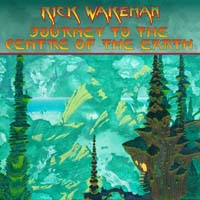
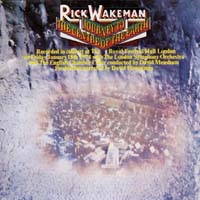 1974Journey to the Centre of the Earth
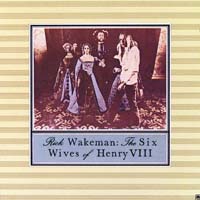 1973The Six Wives of Henry VIII