
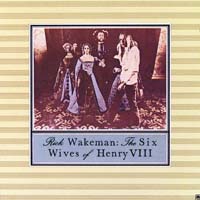
Breaking down the themes in The Six Wives of Henry VIII by Rick Wakeman
The Six Wives of Henry VIII- Album Overview
Released in 1973, "The Six Wives of Henry VIII" is a concept album by British keyboardist Rick Wakeman, known for his work with the progressive rock band Yes. The album was released under the A&M Records label and is a pioneering work in the symphonic rock genre. It features a distinct blend of classical music influences with progressive rock elements, showcasing Wakeman's virtuosity on the keyboards, particularly the piano and synthesizers.
The album comprises six tracks, each dedicated to one of King Henry VIII's wives: Catherine of Aragon, Anne Boleyn, Jane Seymour, Anne of Cleves, Catherine Howard, and Catherine Parr. Each piece musically represents the life and character of the respective queen, weaving in themes of love, betrayal, and tragedy. The recording sessions took place at Morgan Studios in London, where Wakeman collaborated with a talented group of musicians, including bassist Chris Squire and drummer Alan White, both of whom were part of Yes.
Notably, "The Six Wives of Henry VIII" gained significant commercial success, reaching the top of the UK albums chart. The single "Jane Seymour" was particularly well-received and highlighted Wakeman's ability to convey emotion through instrumental music. The album is not just a showcase of technical skill; it also represents a cultural moment in the early 1970s when progressive rock was at its peak. The thematic exploration of historical figures through music was innovative, influencing future artists and concept albums.
Review
In "The Six Wives of Henry VIII," Rick Wakeman delivers an ambitious and intricately composed narrative that transcends mere musical performance. The album is a masterclass in instrumental storytelling, where each track serves as a vignette into the lives of Henry's wives. The sound is rich and lush, underscored by Wakeman's signature keyboard work that combines classical motifs with contemporary rock sensibilities.
From the regal opening notes of "Catherine of Aragon" to the haunting melodies of "Catherine Parr," Wakeman's arrangements effectively evoke the emotional landscapes of these historical figures. The music is dynamic, oscillating between moments of grandeur and intimacy, reflecting the tumultuous nature of the lives portrayed. While lyrics are absent, the album speaks volumes through its melodies, showcasing Wakeman's artistic vision of using instrumental music to explore themes of love, loss, and power.
The production quality is top-notch, with each instrument clearly defined in the mix, allowing listeners to appreciate the intricate details of Wakeman's compositions. Overall, the album stands as a significant contribution to the progressive rock genre, showcasing not only the technical prowess of its creator but also the depth of storytelling through music.
Highlights
- Innovative blend of classical and rock elements.
- Emotionally resonant compositions that effectively portray historical themes.
- High production quality and exceptional musicianship.
Weak points
- Lack of lyrics may limit emotional connection for some listeners.
- Some tracks may feel lengthy or meandering to those unfamiliar with progressive structures.
- Limited appeal outside the progressive rock and classical music fanbase.
Overall evaluation
Rick Wakeman's "The Six Wives of Henry VIII" is a landmark album that showcases the potential of instrumental music to tell complex stories. Its rich soundscapes and thematic depth make it a must-listen for fans of progressive rock and classical fusion.
Personal rating: 9/10 2020The Red Planet
 1974Journey to the Centre of the Earth