
The evolution of Rick Wakeman in Rhapsodies
Rhapsodies- Album Overview
"Rhapsodies," released in 1995, marks a significant chapter in the illustrious career of English keyboardist Rick Wakeman. Known primarily for his virtuosic skills on the piano and synthesizers, Wakeman has been a pivotal figure in the progressive rock genre since the early 1970s. "Rhapsodies," released under the label CMC International, showcases his ability to blend classical influences with rock elements, a hallmark of his style. The album features a rich tapestry of sounds, drawing from his extensive background in both classical music and rock, resulting in a unique listening experience.
The recording of "Rhapsodies" involved collaboration with various musicians, including renowned guitarist Dave Cousins and the talented bass player Tony Visconti, who is known for his production work with David Bowie. This collaboration enriched the album's sound, allowing for a dynamic interplay between instruments and styles. The album consists of several tracks, each a testament to Wakeman’s prowess, including “The Journey,” which encapsulates his signature blend of intricate melodies and epic storytelling. Additionally, "Rhapsodies" features a mix of instrumental and vocal pieces, reflecting Wakeman's versatility as both a performer and a composer.
Upon its release, "Rhapsodies" received a warm reception, although it did not achieve the commercial success of some of his earlier works. Nonetheless, it has been appreciated by fans for its artistic integrity and depth. The album's exploration of themes such as personal growth and reflection provides a glimpse into Wakeman's evolution as an artist. It stands as a significant work that continues to resonate with listeners who appreciate the fusion of classical and progressive rock traditions.
Review
"Rhapsodies" is a compelling exploration of Rick Wakeman's artistic vision, marked by a seamless blend of classical motifs and progressive rock sensibilities. The album opens with "The Journey," where Wakeman's keyboard work sets the tone for the entire project—lush, intricate, and emotionally charged. Throughout the album, the use of various synthesizers and orchestral arrangements showcases Wakeman's technical prowess and creativity, allowing him to transcend the boundaries of genre.
The lyrics, when present, delve into themes of introspection and existential contemplation, illustrating a maturity that reflects Wakeman’s growth as a songwriter. Tracks like "Catherine Howard" weave historical narratives with melodic complexity, demonstrating his ability to tell stories through music. However, the album's heavy reliance on instrumental pieces may leave some listeners yearning for more vocal presence. Overall, "Rhapsodies" is a testament to Wakeman's enduring legacy and his commitment to pushing the boundaries of musical expression.
Highlights
- Intricate keyboard work showcasing Wakeman's technical skill.
- Rich orchestral arrangements that enhance the listening experience.
- Strong thematic elements that reflect personal growth and introspection.
Weak points
- Some tracks may feel overly instrumental for casual listeners.
- Lack of commercial singles that could attract a broader audience.
- Production style may not resonate with all fans of progressive rock.
Overall evaluation
"Rhapsodies" serves as a reminder of Rick Wakeman's significant contributions to music, blending genres and showcasing his evolution as an artist. While it may not achieve the same acclaim as his earlier works, it remains a cherished piece for those who appreciate deep musical exploration.
Personal rating: 7/10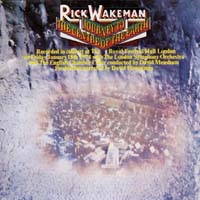 1974Journey to the Centre of the Earth
 1973The Six Wives of Henry VIII