
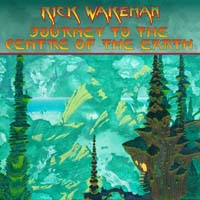
A closer look at Rick Wakeman's album The Living Tree
The Living Tree- Album Overview
Released in 2010, "The Living Tree" is an album by renowned keyboardist and progressive rock pioneer Rick Wakeman. The album showcases a more introspective and acoustic side of Wakeman's artistry, diverging from the grandiose orchestration often associated with his earlier works. It was released under the label Blacklake, marking a return to a more personal and less commercial sound. The recording sessions took place at Wakeman’s own studio and featured collaborations with his son, Adam Wakeman, who contributed on keyboards and vocals, adding a familial depth to the music. The album consists of 12 tracks, including notable songs like "The Living Tree," "The Dance of a Thousand Lights," and "The Last Battle." The lyrics, penned by Wakeman, touch on themes of love, nature, and the passage of time, inviting listeners to reflect on their own lives. "The Living Tree" is significant not only for its sonic exploration but also for its emphasis on storytelling and emotional resonance, a departure from the instrumental-heavy compositions that define much of progressive rock. This album serves as a testament to Wakeman's evolution as an artist, focusing on the subtleties of sound and the power of lyrical expression.
Review
Wakeman's "The Living Tree" is a fascinating exploration of sound that marries his classical influences with a more contemporary acoustic approach. The album strikes a balance between lush arrangements and intimate storytelling, allowing the listener to engage with the music on multiple levels. Tracks like "The Living Tree" exemplify Wakeman's ability to weave intricate melodies with poignant lyrics that resonate deeply. The production is polished yet retains a warm, organic feel, enhancing the emotional weight of the songs. While some tracks may feel more subdued compared to his past epics, the overall artistic vision is clear: a journey through personal reflection and the natural world. The album's transitions between tracks are seamless, creating a cohesive listening experience that invites one to linger in its soundscape.
Highlights
- Rich, acoustic sound that showcases Wakeman's versatility.
- Deeply personal lyrics that resonate with listeners.
- Strong collaboration with Adam Wakeman adds a fresh dynamic.
Weak points
- Some tracks may feel less impactful compared to Wakeman's classic works.
- The subdued nature might not appeal to fans of his more theatrical compositions.
- Lack of standout singles could diminish mainstream appeal.
Overall evaluation
"The Living Tree" is a heartfelt and introspective album that showcases Rick Wakeman's growth as an artist. It presents a refreshing departure from his earlier, more bombastic works while still retaining his signature style. This album is likely to resonate with long-time fans seeking a more personal touch in his music.
Personal rating: 7/10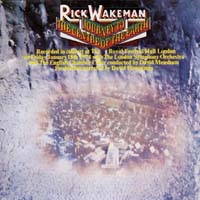 1974Journey to the Centre of the Earth
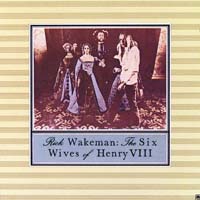 1973The Six Wives of Henry VIII