
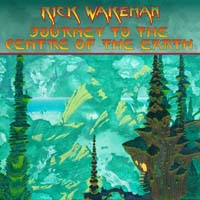
Inside Gastank by Rick Wakeman
Gastank- Album Overview
"Gastank," released in 1979, marks one of Rick Wakeman's intriguing explorations into the realms of progressive rock and symphonic compositions. This album, released under the label A&M Records, showcases Wakeman's signature keyboard artistry while delving into themes of technology and the modern world, which were particularly relevant during the late 1970s. The recording took place in various studios across the UK, with Wakeman collaborating with a range of talented musicians, including bassist Roger Newell and drummer Tony Fernandez. The album comprises a total of 11 tracks, each weaving a narrative that reflects both the imaginative and the mechanical aspects of life. Notable tracks include "The Iron Man" and "The Battle of the Machines," which exemplify Wakeman's ability to merge classical influences with rock elements, creating a sound that is both grand and intricate. Though "Gastank" did not spawn any standout singles that achieved commercial success, it is considered a concept album that resonates with fans of the genre, illustrating the tensions between humanity and technology. "Cultural significance" is also a vital aspect of "Gastank." At a time when the world was becoming increasingly fascinated by the impact of technology, Wakeman's work mirrored societal shifts and offered a reflective lens on the future. His elaborate keyboard work, coupled with a focus on storytelling, solidified his reputation as one of the leading figures in the progressive rock movement. Despite being overshadowed by his earlier masterpieces, "Gastank" remains a noteworthy entry in Wakeman's discography, representative of his ongoing evolution as an artist.
Review
The sound of "Gastank" is emblematic of Rick Wakeman's virtuosity on the keyboards, featuring lush synthesizers and intricate arrangements that transport listeners to a world where the mechanical meets the mythical. The album's musicality is a testament to Wakeman's technical prowess, with each track layering rich harmonies and fluid transitions that are hallmarks of progressive rock. However, while the album excels in musicianship, some may find the lyrical content somewhat abstract and disconnected from the musical narrative. The themes, while ambitious, can sometimes feel overshadowed by the grandiosity of the compositions. This might leave listeners yearning for a more cohesive lyrical experience to accompany the stunning instrumentation. Overall, Wakeman's artistic vision shines through, showcasing his ability to craft elaborate soundscapes that invite deep listening. "Gastank" serves as both a celebration of technological advancement and a cautionary tale about its implications, making it a thought-provoking addition to his body of work.
Highlights
- Exceptional musicianship and keyboard prowess.
- Intricate arrangements that captivate and engage the listener.
- Thought-provoking themes relevant to the technological landscape of the era.
Weak points
- Lyrical content may feel abstract or disconnected at times.
- Some tracks may not resonate with listeners seeking more traditional song structures.
- Could be overshadowed by Wakeman's more famous works.
Overall evaluation
"Gastank" stands as a testament to Rick Wakeman's innovative spirit and ability to fuse complex musical ideas with relevant societal themes. While it may not achieve the iconic status of his earlier albums, it remains a significant work that showcases his growth as an artist. The album is a must-listen for fans of progressive rock and those interested in the intersection of music and technology.
Personal rating: 7/10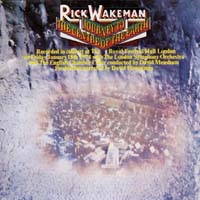 1974Journey to the Centre of the Earth
 1973The Six Wives of Henry VIII