
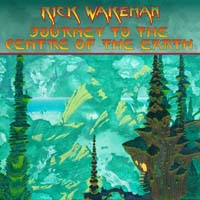
Breaking down the themes in Journey by Rick Wakeman
Journey- Album Overview
"Journey," released in 1974, is a concept album by renowned English keyboardist Rick Wakeman, known for his work with the progressive rock band Yes. This album was released under the A&M Records label and showcases Wakeman's signature style that blends classical music influences with rock. The project was recorded at Advision Studios in London, and it features a variety of instruments including the organ, piano, and synthesizer, demonstrating Wakeman's virtuosic abilities.
The album is structured around a narrative that embodies a journey through different landscapes and emotions, and it reflects Wakeman’s fascination with storytelling through music. Collaborators on the album include notable musicians such as bass guitarist and vocalist Chris Squire, also from Yes, and drummer Alan White, further enriching the album's sound with their progressive rock nuances. While "Journey" did not produce any chart-topping singles, its tracks have been influential in progressive rock circles.
The themes explored in this album range from introspection and exploration to the complexities of human emotion, mirroring the various stages of a journey. "Journey" is not just an album; it is an auditory experience that invites listeners to embark on their own personal voyages of self-discovery and reflection. Its musical significance lies not only in its composition but also in its ability to transport listeners to different realms through instrumental storytelling.
Review
Wakeman's "Journey" is a remarkable showcase of his artistic vision, blending intricate melodies with sweeping arrangements. The album's sound is characterized by rich keyboard textures that create a lush, immersive atmosphere. Each track flows seamlessly into the next, enveloping listeners in a cohesive experience that mirrors the theme of a journey.
The lack of lyrics in many pieces allows the music to speak for itself, conveying emotions and narratives through instrumentation alone. This approach not only highlights Wakeman’s technical prowess but also emphasizes the emotive power of music. However, the absence of vocals may leave some listeners craving a more traditional song structure, which could detract from the album's accessibility.
Overall, "Journey" stands as a testament to Wakeman's contribution to the progressive rock genre, demonstrating his ability to weave complex musical ideas into a captivating narrative. The album's experimental nature and rich soundscapes make it a fascinating listen for those willing to engage with its depths.
Highlights
- Intricate and lush keyboard arrangements that showcase Wakeman's virtuosity.
- A cohesive narrative that invites listeners on an auditory journey.
- Innovative blending of classical and rock elements.
Weak points
- The absence of vocals may alienate some listeners.
- Occasional pacing issues in longer tracks could detract from engagement.
- Lacks mainstream commercial appeal compared to other works of its time.
Overall evaluation
"Journey" by Rick Wakeman is a profound exploration of musical storytelling that captivates through its intricate compositions and themes. It may not cater to all tastes, especially those preferring conventional song structures, but its artistic merit is undeniable.
Personal rating: 8/10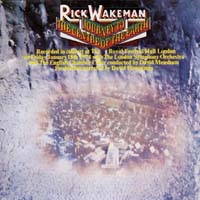 1974Journey to the Centre of the Earth
 1973The Six Wives of Henry VIII