
Journey to the Centre of the Earth: discovering Rick Wakeman's artistry
Journey to the Centre of the Earth- Album Overview
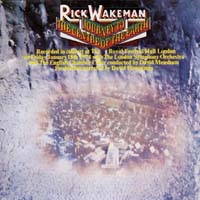
"Journey to the Centre of the Earth" is a progressive rock album by British keyboardist Rick Wakeman, released in 1974 under the A&M Records label. This ambitious project is based on Jules Verne's classic science fiction novel of the same name, blending rock music with orchestral elements. The album features a full orchestra and choir, showcasing Wakeman's virtuosity on the keyboards, particularly the grand piano and various synthesizers. The recording took place at the Royal Festival Hall in London and was accompanied by a live performance, marking a significant moment in the fusion of rock and classical music.
The album consists of two lengthy tracks: "The Journey" and "The Finale," which are divided into several movements. Notable collaborators include the English rock band The English Rock Ensemble, with musicians like David Paton and Roger Newell contributing to the project. The album's production was overseen by Wakeman himself, who sought to create a theatrical experience, turning the concert into a multimedia event. "Journey to the Centre of the Earth" became one of Wakeman's most successful releases, achieving gold status in several countries. Its impact on the progressive rock genre was profound, inspiring future artists to explore the boundaries of music and storytelling. The album remains a cornerstone of Wakeman's discography, celebrated for its innovative approach and lush arrangements.
Review
The sound of "Journey to the Centre of the Earth" is a grand tapestry of musical influences, seamlessly blending rock, classical, and theatrical elements. Wakeman's skillful piano and keyboard work drive the narrative forward, while the orchestral arrangements provide a rich backdrop that enhances the storytelling aspect of the album. The lyrics, penned by Wakeman and inspired by Verne's work, add a layer of depth, inviting listeners to embark on an imaginative journey alongside the music.
Artistically, Wakeman's vision is ambitious, pushing the boundaries of what a rock album could achieve at the time. The incorporation of a full orchestra and choir is a bold statement that emphasizes the theatricality of the piece. However, the album's length and complex structure might be challenging for some listeners, as it demands attention and engagement to fully appreciate its nuances. Overall, the artistry displayed in "Journey to the Centre of the Earth" is a testament to Wakeman's prowess and creativity, solidifying his status as a key figure in the progressive rock movement.
Highlights
- Masterful fusion of rock and orchestral elements.
- Innovative storytelling through music.
- Impressive musicianship and production quality.
Weak points
- The album's length may overwhelm casual listeners.
- Complexity of structure can detract from accessibility.
- Some segments might feel overly indulgent or drawn out.
Overall evaluation
"Journey to the Centre of the Earth" is a landmark album in Rick Wakeman's career, showcasing his unique blend of rock and classical music. Its ambitious scope and theatrical presentation make it a standout piece in the progressive rock genre, though its length and complexity may challenge some listeners. Regardless, it remains a significant work that continues to inspire and captivate audiences.
Personal rating: 8/10 2020The Red Planet
 1973The Six Wives of Henry VIII