
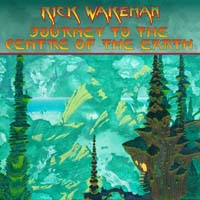
The evolution of Rick Wakeman in Cost of Living
Cost of Living- Album Overview
Released in 1989, "Cost of Living" marks a significant chapter in Rick Wakeman's illustrious career as a keyboardist and composer. This album, issued under the label "Moon Records," showcases a departure from his earlier, more elaborate progressive rock compositions. Instead, it embraces a more contemporary sound that resonates with the changing musical landscape of the late 1980s. The album was recorded during a time when Wakeman was exploring various musical styles, reflecting both personal growth and adaptation to the evolving music industry.
The album features a lineup of talented musicians, including the renowned guitarist Dave Lambert and drummer Roger Taylor, who contribute to the album's diverse sound. "Cost of Living" includes tracks that blend rock, pop, and classical influences, highlighting Wakeman's versatility as an artist. Notable tracks such as "The Last Battle" and "The Cost of Living" provide a poignant exploration of themes related to personal struggle and societal issues, showcasing his ability to weave narrative into music.
Despite not producing major chart-topping singles, the album garnered attention for its artistic ambition and authenticity. It reflects a significant evolution in Wakeman's approach, moving away from the grandiose, symphonic pieces of his past to a more intimate and relatable songwriting style. The album stands as a testament to Wakeman's resilience and his continuous desire to innovate within the music scene.
Review
"Cost of Living" presents a compelling mixture of styles that captures the essence of Rick Wakeman's artistic journey. The sound is diverse, combining elements of rock with classical motifs, which is a signature of Wakeman's work. However, the production is notably more polished than some of his earlier albums, reflecting the technological advancements of the time. Lyrically, the album delves into personal and societal themes, offering a level of introspection that resonates with listeners. Wakeman's keyboard work is, as always, impressive, yet it feels more grounded compared to his prior works, allowing the vocals and lyrics to take a more prominent role. This evolution signifies not just a change in style but a maturation of his artistic vision, as he seeks to connect with his audience on a deeper level.
Highlights
- Innovative blend of rock and classical influences.
- Introspective lyrics that resonate with personal and societal themes.
- Strong performances from collaborating musicians, enhancing the overall sound.
Weak points
- Less emphasis on instrumental complexity compared to earlier works.
- Some tracks may feel dated due to the 1980s production style.
- Lack of major singles that could have broadened its reach.
Overall evaluation
"Cost of Living" represents a pivotal moment in Rick Wakeman's career, showcasing his ability to adapt and evolve as an artist. While it may not have the same grandeur as his earlier works, it holds its own with heartfelt lyrics and a creative sound. The album invites listeners to reflect on personal and societal challenges, making it a noteworthy addition to his discography.
Personal rating: 7/10 1974Journey to the Centre of the Earth
 1973The Six Wives of Henry VIII