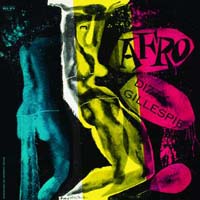
ALBUM NOTESDizzy Gillespie returns with The Bop Session
The Bop Session- Album Overview
The Bop Session, released in 1956, is a landmark album in the evolution of jazz, showcasing the immense talent and innovation of trumpeter Dizzy Gillespie. This album was released under the Verve Records label, which has been known for its significant contributions to the jazz genre. The recording sessions for The Bop Session took place in a time when bebop was gaining prominence, and Gillespie was at the forefront of this musical revolution.
Featuring a stellar lineup of musicians, including saxophonists James Moody and Benny Golson, pianist Walter Davis Jr., bassist John Simmons, and drummer Elvin Jones, The Bop Session captures the essence of bop with its intricate melodies and complex harmonies. The album consists of a mix of original compositions and jazz standards, showcasing Gillespie’s virtuosic trumpet playing and his ability to push the boundaries of jazz.
Notable tracks include "Be-Bop," which is a quintessential bebop tune that exemplifies the genre’s fast tempos and improvisational style. The album also includes "A Night in Tunisia," a classic composition by Gillespie that has become a staple in the jazz repertoire. The Bop Session is not just a collection of tracks; it is a cultural artifact that reflects the spirit of the 1950s jazz scene, celebrating creativity and collaboration among musicians.
The album contributed to the popularization of bebop and has influenced countless jazz musicians since its release. Gillespie's unique approach to harmony and rhythm paved the way for future generations of artists, making The Bop Session a crucial release in the history of jazz.
Review
The Bop Session is a vibrant, energetic exploration of jazz that showcases Dizzy Gillespie at his peak. The album’s sound is a brilliant tapestry of intricate melodies, syncopated rhythms, and masterful improvisation. Gillespie's trumpet work is characterized by its bright timbre and playful phrasing, which invites listeners into the world of bebop with an infectious enthusiasm.
The collaborative spirit of the album shines through, with each musician contributing their unique voice to the ensemble. The interplay between Gillespie’s trumpet and Moody's saxophone creates a dialogue that is both engaging and thrilling. The complex arrangements challenge the musicians, pushing them to explore the limits of their instruments while maintaining a cohesive sound.
While the album does not feature lyrics, the emotional depth and storytelling inherent in each track resonate powerfully. Gillespie's artistic vision for The Bop Session is evident in the way he balances innovation with respect for jazz traditions, creating a work that is both groundbreaking and accessible.
Highlights
- Exceptional musicianship from an all-star lineup.
- Innovative compositions that push the boundaries of jazz.
- Gillespie’s signature trumpet sound, full of character and expression.
Weak points
- Some tracks may feel overly complex for casual listeners.
- Limited commercial appeal compared to more mainstream jazz albums.
- Occasional moments of improvisational chaos that may not resonate with all audiences.
Overall evaluation
The Bop Session stands as a testament to Dizzy Gillespie's genius and his pivotal role in the jazz world. The album captures the essence of bebop and remains a vital part of jazz history. Its intricate compositions and stellar performances make it a must-listen for jazz enthusiasts.
Personal rating: 9/10


 1954Afro