

A closer look at Dizzy Gillespie's album Blow That Horn! Dizzy Gillespie, Vol. 1
Blow That Horn! Dizzy Gillespie, Vol. 1- Album Overview
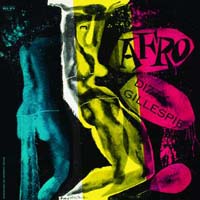
"Blow That Horn! Dizzy Gillespie, Vol. 1" is a pivotal jazz album released in 1956 under the Verve Records label. This collection features some of the groundbreaking works of trumpet virtuoso Dizzy Gillespie, capturing the essence of his innovative bebop style. The album was recorded during a period when Gillespie was at the forefront of the jazz movement, pushing the boundaries of harmony and rhythm. The sessions took place in New York City, a hub for jazz in the mid-20th century, and involved an array of talented musicians, including pianist Walter Davis Jr., bassist Sam Jones, and drummer Elvin Jones, who would later gain fame with the John Coltrane Quartet. The album consists of a variety of tracks that showcase Gillespie's unique approach to improvisation and his ability to blend complex melodies with infectious rhythms. Noteworthy tracks include “A Night in Tunisia,” which has become one of Gillespie's signature pieces, and “Manteca,” a composition that fuses Afro-Cuban rhythms with jazz, illustrating Gillespie's role in popularizing Latin jazz. The album's production was overseen by the legendary Norman Granz, a key figure in jazz who brought many artists, including Gillespie, to wider audiences. Culturally, "Blow That Horn!" stands as a testament to the evolution of jazz in America, reflecting the social changes of the 1950s. The album not only highlights Gillespie's virtuosity but also his commitment to pushing jazz into new territories. Singles from this album received critical acclaim and contributed to Gillespie's legacy as one of the most influential figures in jazz history.
Review
Dizzy Gillespie’s "Blow That Horn! Dizzy Gillespie, Vol. 1" is a masterclass in jazz innovation, showcasing the trumpet legend's ability to meld technical prowess with emotional depth. The album's sound is characterized by its vibrant brass tones, intricate melodies, and complex harmonies that challenge the listener while still being accessible. Gillespie’s signature style is evident throughout, particularly in his use of syncopation and playful improvisational techniques that bring a fresh energy to each track. The arrangements strike a delicate balance between sophistication and spontaneity, a hallmark of Gillespie's artistic vision. The interplay between the musicians creates a lively atmosphere, making each performance feel like a conversation. While Gillespie's trumpet takes center stage, the contributions of his bandmates are equally noteworthy, providing a rich backdrop that enhances the overall experience. Lyrically, the album is free from traditional song structures, as instrumental jazz often is; instead, it communicates emotions and narratives through the language of music, a testament to jazz's ability to transcend words. Gillespie's work here not only entertains but also invites listeners to engage with the complexities of jazz as an art form.
Highlights
- Exceptional musicianship from Gillespie and his bandmates, showcasing a high level of artistry.
- Groundbreaking fusion of jazz and Afro-Cuban rhythms, particularly in tracks like “Manteca.”
- Timeless compositions that continue to influence jazz musicians today.
Weak points
- Some tracks may feel dated to contemporary listeners unfamiliar with classic jazz.
- Lack of vocal tracks may limit appeal for those who prefer lyrical content.
- Production quality, while good for its time, may not meet modern standards.
Overall evaluation
"Blow That Horn! Dizzy Gillespie, Vol. 1" is an essential listen for jazz aficionados and serves as a crucial piece of music history. It reflects Gillespie's genius and the dynamic landscape of jazz during the 1950s. While it may present challenges for some modern listeners, its cultural and musical significance remains undeniable.
 1954Afro