

Dizzy Gillespie experiments boldly on Dizzy At Home And Abroad
Dizzy At Home And Abroad- Album Overview
"Dizzy At Home And Abroad" is a landmark album by the legendary jazz trumpeter Dizzy Gillespie, released in 1955. This album stands as a testament to Gillespie's innovative spirit and his commitment to pushing the boundaries of jazz. Recorded for the Verve label, the album captures a diverse spectrum of sounds and styles, reflecting Gillespie's experiences both domestically and internationally.
The recording features a mix of original compositions and reimagined standards, showcasing Gillespie's unique approach to improvisation and arrangement. Collaborators on the album include iconic musicians like Milt Jackson on vibraphone, and the brilliant pianist John Lewis, who were integral members of the Modern Jazz Quartet. Their contributions significantly enrich the album's textures and harmonies.
The album's tracks include notable pieces such as "A Night in Tunisia," "Dizzy Atmosphere," and "Manteca," which highlight Gillespie's ability to blend Afro-Cuban rhythms with bebop—a style he helped pioneer. The cultural significance of this album extends beyond music; it played a crucial role in popularizing Latin jazz and showcased the growing influence of Afro-Cuban music on American jazz. Singles like "A Night in Tunisia" became staples in the jazz repertoire, demonstrating Gillespie's lasting impact on the genre.
In terms of production, this album reflects the high standards of the mid-1950s jazz scene, marked by clean sound quality and expert musicianship. The combination of Gillespie's virtuosic trumpet playing and the ensemble’s tight arrangements offers listeners a rich auditory experience that remains relevant today. "Dizzy At Home And Abroad" is not just an album; it is a celebration of Gillespie's artistry and the vibrant cultural exchanges that characterize jazz history.
Review
The sound on "Dizzy At Home And Abroad" is a vibrant tapestry of intricate melodies and complex rhythms, a hallmark of Gillespie's artistry. The album opens with "A Night in Tunisia," where Gillespie’s iconic trumpet lines soar over a backdrop of syncopated percussion, setting the tone for an adventurous listening experience. The interplay between instruments, particularly the vibraphone and piano, creates a lush, textured soundscape that invites deep engagement. The artistic vision of Gillespie shines through in every track, as he seamlessly blends American jazz with Caribbean influences, showcasing his role as a cultural ambassador for jazz.
While there are no lyrics in the traditional sense, the music speaks volumes through its emotive power and rhythmic complexity. Each track tells a story, and Gillespie’s improvisational skills add layers of depth that resonate with both jazz enthusiasts and casual listeners. The album is a bold exploration of the possibilities within jazz, encouraging musicians to experiment with form and style.
Highlights
- Innovative blend of Afro-Cuban rhythms and bebop.
- Exceptional performances by a stellar ensemble of musicians.
- Culturally significant, influencing the trajectory of jazz and Latin music.
Weak points
- Some tracks may feel overly complex for casual listeners.
- Limited lyrical content may not appeal to those seeking vocal performances.
- Occasional unevenness in track pacing disrupts the flow.
Overall evaluation
"Dizzy At Home And Abroad" is a masterful exploration of jazz that showcases Dizzy Gillespie's bold experimentation and creativity. The album's legacy endures as a pivotal moment in jazz history, reflecting the genre's evolution and cultural significance.
Personal rating: 9/10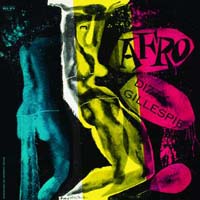 1954Afro