

Breaking down the themes in Live At The Jazz Plaza Festival 1985 by Dizzy Gillespie
Live At The Jazz Plaza Festival 1985- Album Overview
Released in 1985, "Live At The Jazz Plaza Festival 1985" is a remarkable album capturing the essence of jazz through the legendary trumpeter and composer Dizzy Gillespie. This live performance was recorded during the Jazz Plaza Festival in Havana, Cuba, a significant event that celebrated the intersection of American jazz and Cuban music. The album was released under the label Enja Records, known for its commitment to promoting jazz artists who push the boundaries of the genre.
Featuring an ensemble of talented musicians, including notable figures like saxophonist Paquito D'Rivera and percussionist Mongo Santamaria, the album showcases Gillespie's innovative blending of Afro-Cuban rhythms with traditional jazz elements. The collaboration highlights the cultural significance of jazz as a global language that transcends borders and fosters a sense of unity among diverse musical traditions.
The album consists of vibrant tracks that include classics such as "A Night in Tunisia" and "Manteca," both of which exemplify Gillespie's ability to improvise and engage with his audience. The live setting adds a layer of spontaneity and energy that studio recordings often lack, allowing listeners to experience the thrill of a jazz concert. Not only does this album serve as a testament to Gillespie's musical genius, but it also stands as a historical document that reflects the cultural exchanges between the United States and Cuba during a time of political tension.
In a broader context, "Live At The Jazz Plaza Festival 1985" is notable for its role in the jazz revival of the 1980s, a period that saw a renewed interest in jazz's roots and its global influences. Gillespie, a pioneer of bebop and modern jazz, continues to inspire new generations of musicians, making this album a vital piece of jazz history.
Review
"Live At The Jazz Plaza Festival 1985" is a vibrant showcase of Dizzy Gillespie's enduring artistry and charisma. The album exudes a lively atmosphere, with each track radiating the spontaneity and improvisational spirit that jazz is known for. Gillespie's signature trumpet style—characterized by its bright, bold sound and intricate phrasing—draws listeners into a world where rhythm and melody intertwine seamlessly.
The collaborative nature of the performance is striking, as each musician brings their unique flair to the ensemble. Paquito D'Rivera's saxophone work complements Gillespie's trumpet, while Mongo Santamaria's percussive elements root the music in rich African and Latin traditions. The interplay between the musicians highlights a deep mutual respect and understanding, which is vital for any successful jazz performance.
However, the album does not merely rely on technical prowess; it also engages with themes of cultural exchange and unity. The choice of tracks reflects a blend of American jazz standards and Afro-Cuban influences, showcasing Gillespie's dedication to pushing boundaries and exploring new musical landscapes. This thematic richness makes the album not just an auditory experience, but also a cultural statement that resonates deeply with listeners.
Highlights
- The vibrant energy of the live performance captures the essence of jazz.
- Exceptional collaborations with renowned musicians enhance the overall sound.
- The cultural significance of the album reflects a unique Afro-Cuban jazz fusion.
Weak points
- Some listeners may find the improvisational nature less appealing if they prefer structured compositions.
- Occasional audio quality issues typical of live recordings can detract from the experience.
- The lack of studio polish may not appeal to all jazz enthusiasts.
Overall evaluation
"Live At The Jazz Plaza Festival 1985" stands as a testament to Dizzy Gillespie's enduring legacy and the vibrant world of jazz. It encapsulates a moment in time where music transcends cultural divides, celebrating the rich
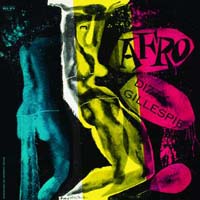 1954Afro