

A Jazz Hour with Dizzy Gillespie - A Critical Review
Dizzy Gillespie is widely regarded as one of the all-time greats of Jazz music. He was a trumpet player, bandleader, and composer who revolutionized jazz music in the 1940s and 1950s. His unique style of playing the trumpet, incorporating syncopation, improvisation, and complex rhythms, laid the foundation for the Bebop movement that followed. Today, we are going to review his album A Jazz Hour With Dizzy Gillespie. The album features some of Gillespie's classic tracks, and we'll take a closer look at the history of the artist, the music genre of the album, the best songs on the album, the most innovative parts, and give our critical review of the album.
Dizzy Gillespie began playing the trumpet at a young age, and by the 1940s, he had become one of the leading figures in jazz music. He was known for his innovative playing style, and his ability to improvise complex melodies and rhythms. The album A Jazz Hour With Dizzy Gillespie was released in 2001 and features some of Gillespie's classic tunes recorded between 1947 and 1952.
The album is a great example of the Bebop style of jazz that Gillespie helped popularize. Bebop is characterized by complex rhythms, improvisation, and syncopation. Gillespie's playing style on the album is a perfect example of Bebop, and it's easy to hear the influence that he had on the genre.
The album features some of Gillespie's most famous tracks, including A Night in Tunisia and Salt Peanuts. These tracks are some of the best examples of Bebop music ever recorded and showcase Gillespie's virtuosic playing style. The album also includes some lesser-known tracks, such as One Bass Hit and Our Delight, which are also excellent examples of the Bebop style.
One of the most innovative parts of the album is Gillespie's use of Afro-Cuban rhythms on some of the tracks. His incorporation of Latin beats and rhythms into the Bebop style is what made his music so unique. The track Manteca is a great example of this, and it's easy to see why Gillespie's music was so influential in the development of Latin jazz.
Our critical review of the album is overwhelmingly positive. A Jazz Hour With Dizzy Gillespie is a must-have for any jazz fan, and it's a great introduction to Bebop music for those who are new to the genre. The album is a perfect example of Gillespie's unique playing style, and it's easy to hear why he is considered one of the all-time greats of jazz music.
In conclusion, Dizzy Gillespie was a true innovator in jazz music, and A Jazz Hour With Dizzy Gillespie is a perfect example of his unique playing style and the Bebop genre that he helped create. The album is a great introduction to Bebop music and is a must-have for any jazz fan. Gillespie's use of complex rhythms, improvisation, and syncopation make his music both challenging and enjoyable to listen to. The overall quality of the album is excellent, and it's easy to see why Dizzy Gillespie is considered one of the all-time greats of jazz music.
In conclusion, Dizzy Gillespie was a true innovator in jazz music, and A Jazz Hour With Dizzy Gillespie is a perfect example of his unique playing style and the Bebop genre that he helped create. The album is a great introduction to Bebop music and is a must-have for any jazz fan. Gillespie's use of complex rhythms, improvisation, and syncopation make his music both challenging and enjoyable to listen to. The overall quality of the album is excellent, and it's easy to see why Dizzy Gillespie is considered one of the all-time greats of jazz music.
 2007Live At The Jazz Plaza Festival 1985
 2005Portrait Of Jenny
 2004The Discovery Of Jazz: Dizzy Gillespie
 2003Bd Music Presents: Dizzy Gillespie
 2001Sweet Stuff
 2001Jazz Studies: The Best Of The Perception Years
 2000Good Bait
 2000Cool Breeze
 1999Swings
 1998Something Old, Something New
 1998Closer To The Source
 1997Bird Songs
 1995The Bop Session
 1994Hot House
 1994Lady Be Good
 1991Rhythmstick
 1989The Symphony Sessions: August 25th, 1989
 1988Endlessly
 1984New Faces
 1977Free Ride
 1975The Giant
 1964Jambo Caribe
 1963New Wave
 1962Dizzy on the French Riviera
 1961Perceptions
 1959Have Trumpet, Will Excite!
 1957Dizzy At Home And Abroad
 1957Dizzy In Greece
 1956Jazz Creations Of Dizzy Gillespie
 1956The Champ
 1955Jazz Recital
 1954Blow That Horn! Dizzy Gillespie, Vol. 1
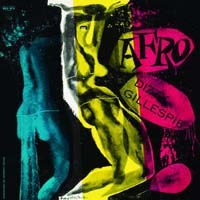 1954Afro
 1953Horn Of Plenty
 1953Dizzy Gillespie Plays In Paris
 1953Dizzy In Paris
 1952Dizzy, Volume I
 1952Dizzy, Volume 2
 1952Dizzy Gillespie, Vol. 2
 1952Dizzy Gillespie
Comments
No comments yet.