

How Dizzy Gillespie shaped the sound of Horn Of Plenty
Horn Of Plenty- Album Overview
"Horn of Plenty" is a seminal album by the legendary jazz trumpeter Dizzy Gillespie, released in 1957 under the Verve Records label. This album is often regarded as one of the cornerstones of bebop music, showcasing Gillespie's innovative approach to jazz that would influence countless musicians. The recording sessions took place in New York City, where Gillespie was surrounded by a cadre of talented collaborators, including saxophonist Benny Golson, pianist Walter Davis Jr., and drummer Charlie Persip.
The album features a collection of tracks that highlight Gillespie's virtuosic trumpet playing and his unique ability to blend complex harmonies with infectious rhythms. Notable tracks include "A Night in Tunisia," which has become a jazz standard, and "Groovin' High," a piece that exemplifies the bebop style with its intricate melodies and fast tempo. Gillespie's use of Afro-Cuban rhythms and his signature bent trumpet sound are evident throughout the album, contributing to its rich, textured sound.
The album's release came at a pivotal time for jazz, as the genre was evolving rapidly and beginning to gain a wider audience. Gillespie's innovative techniques and compositions challenged traditional forms, paving the way for future generations of jazz musicians. "Horn of Plenty" not only solidified Gillespie's status as a leading figure in jazz but also played a crucial role in the broader cultural movement of the 1950s, where jazz began to intersect with social and political themes. The single "A Night in Tunisia" became particularly famous, further solidifying Gillespie's influence in both jazz and popular music.
Review
The sound of "Horn of Plenty" is a vibrant tapestry of bebop and Latin influences, woven together with Gillespie's masterful trumpet playing and distinct musical vision. Each track is a showcase of technical brilliance, yet the album maintains an emotional depth that resonates with listeners. Gillespie’s compositions are marked by their complex rhythms and harmonies, yet they remain accessible, inviting both seasoned jazz aficionados and new listeners alike.
The lyrical content, while primarily instrumental, speaks volumes through its improvisational nature and the energetic interplay between musicians. The arrangements are tight, yet they leave ample room for individual expression, allowing each collaborator to shine. Gillespie's artistic vision is evident in every note, as he challenges conventional jazz norms and introduces innovative sounds that would shape the genre for years to come.
Highlights
- Exceptional trumpet playing that blends technical skill with emotional expression.
- Groundbreaking compositions that challenge jazz conventions and introduce new rhythmic elements.
- Strong collaborations with talented musicians that enhance the overall sound and complexity of the album.
Weak points
- Some tracks may be too complex for casual listeners, potentially alienating newcomers to jazz.
- The album's production can feel dated compared to modern recordings.
- A lack of vocal tracks may limit appeal for those who prefer lyrical content in music.
Overall evaluation
"Horn of Plenty" stands as a testament to Dizzy Gillespie's innovative spirit and his profound impact on jazz music. The album not only showcases his technical prowess but also serves as a cultural artifact that captures the spirit of a transformative era in music. It remains a must-listen for anyone interested in the evolution of jazz.
Personal rating: 9/10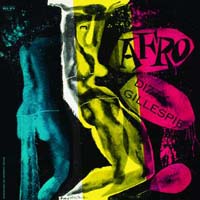 1954Afro