ALBUM NOTESDizzy Gillespie returns with Jazz Studies: The Best Of The Perception Years
Jazz Studies: The Best Of The Perception Years- Album Overview
Dizzy Gillespie's "Jazz Studies: The Best Of The Perception Years," released in 1992, is a meticulously curated compilation that showcases the legendary trumpeter's innovative contributions to jazz during his time with the Perception Records label. This album compiles tracks from the late 1960s through the early 1970s, a period marked by Gillespie's exploration of new musical territories, including Afro-Cuban jazz and bebop.
The collection features collaborations with prominent musicians such as saxophonist Junior Cook, pianist Walter Davis Jr., and drummer Rudy Collins, who contributed to the vibrant sound that characterizes Gillespie's work during this era. Notable tracks include "A Night in Tunisia," which exemplifies Gillespie's signature style—melding complex rhythms with rich harmonies—and "Manteca," a staple of his Afro-Cuban repertoire.
Produced under the Perception label, this album reflects Gillespie's commitment to pushing the boundaries of jazz, both in terms of instrumentation and cultural influences. The singles from this collection not only highlight Gillespie's virtuosic trumpet playing but also showcase his role as a bandleader and composer, blending elements of traditional jazz with Latin rhythms and modern influences.
The significance of this release lies not only in its musical content but also in its cultural impact, as it captures a pivotal period in jazz history where genres began to intersect, paving the way for future generations of musicians. The album serves as both an introduction for new listeners and a comprehensive retrospective for longtime fans of Gillespie's groundbreaking work.
Review
"Jazz Studies: The Best Of The Perception Years" is an essential listen for anyone interested in the evolution of jazz music. Gillespie's trumpet work is nothing short of brilliant, showcasing a mastery of technique paired with an emotive style that brings each note to life. The arrangements are rich and layered, allowing for a dialogue between the musicians that creates an engaging listening experience.
The album is a testament to Gillespie's artistic vision, revealing his dedication to not only preserving jazz traditions but also innovating within the genre. The sound is vibrant and dynamic, marked by Gillespie's signature high notes and playful improvisation. While some tracks may feel dated to contemporary listeners, they nevertheless offer a genuine glimpse into the creative spirit of the 1960s and 70s jazz scene.
Overall, this compilation serves as a reminder of Gillespie's influential role in jazz history, highlighting his ability to transcend genres and connect with diverse audiences through the universal language of music.
Highlights
- Exceptional trumpet performances that showcase Gillespie's virtuosity.
- A diverse mix of genres, blending traditional jazz with Afro-Cuban influences.
- Strong collaborations with talented musicians that enhance the overall sound.
Weak points
- Some tracks may feel less polished compared to modern standards.
- The compilation format may lead to a lack of cohesiveness in the overall narrative.
- Limited representation of Gillespie's later work might leave some fans wanting more.
Overall evaluation
"Jazz Studies: The Best Of The Perception Years" is a compelling collection that highlights the genius of Dizzy Gillespie during a transformative period in jazz history. It serves both as a celebration of his legacy and an important document of jazz evolution.
Personal rating: 8/10


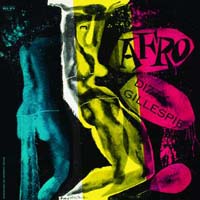 1954Afro