ALBUM NOTESDizzy Gillespie Plays In Paris by Dizzy Gillespie: expectations vs reality
Dizzy Gillespie Plays In Paris- Album Overview
Dizzy Gillespie Plays In Paris, released in 1953, captures the essence of jazz during a pivotal moment in its evolution. This live album was recorded at the Olympia Theatre in Paris and released under the Verve label. Featuring an impressive ensemble of talented musicians, including the likes of saxophonist John Coltrane and pianist Walter Davis Jr., this album showcases Gillespie's innovative approach to bebop and his unique ability to blend Afro-Cuban rhythms with traditional jazz. The album contains notable tracks such as "A Night in Tunisia," which highlights Gillespie's virtuosic trumpet skills and complex improvisations.
The recording itself was significant not just for its musicality but also for its cultural impact; it was a period when jazz was becoming a global phenomenon, and Paris was a hub for American jazz musicians. Known for his distinctive style and big personality, Gillespie's performances were both technically impressive and entertaining, making this album a memorable representation of his artistry. The production was overseen by Norman Granz, a key figure in jazz who was committed to promoting the genre and its artists. Gillespie's Parisian performances were met with enthusiasm, demonstrating the universal appeal of jazz music.
Review
Dizzy Gillespie Plays In Paris delivers a vibrant snapshot of the jazz scene in the early 1950s. The album captures the energy of Gillespie's live performances, where his exuberant trumpet playing and charismatic stage presence are palpable. The sound quality is exceptional for a live recording of the era, allowing listeners to experience the dynamics of the performance as if they were in the audience. Gillespie's ability to blend humor with serious musicianship creates a captivating listening experience.
However, the album's improvisational nature may lead to moments that feel less structured compared to studio recordings. This rawness, while a true reflection of live jazz, might not appeal to all listeners. The arrangements are intricate, showcasing the band's cohesion and individual brilliance, yet some tracks may feel lengthy for those unaccustomed to extended improvisations. Overall, the album is a celebration of jazz’s freedom and creativity, with Gillespie at the helm, steering through complex rhythms and melodies.
Highlights
- The exceptional musicianship of the ensemble, particularly Gillespie's trumpet solos.
- The cultural significance of the album as a representation of jazz's global reach in the 1950s.
- The infectious energy that captures the essence of a live performance.
Weak points
- Extended improvisations may feel meandering to some listeners.
- Lack of studio polish may result in uneven sound quality in some sections.
- Limited vocal content, focusing primarily on instrumental prowess.
Overall evaluation
Dizzy Gillespie Plays In Paris is a vibrant testament to the artistry of one of jazz's greatest innovators. The album stands out for its lively performances and cultural significance, making it a must-listen for jazz aficionados and newcomers alike. While it has its drawbacks, the overall experience is enriching and representative of an important era in music history.
Personal rating: 8/10


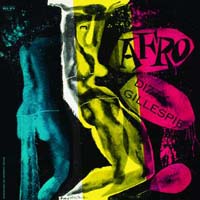 1954Afro