

Unpacking Dizzy Gillespie's Dizzy In Paris
Dizzy In Paris- Album Overview
"Dizzy In Paris" is a live album by the legendary jazz trumpeter Dizzy Gillespie, released in 1953 by the Verve label. This album captures the essence of Gillespie's artistry during a pivotal time in jazz history, blending bebop with Afro-Cuban rhythms. Recorded during his performance at the Olympia in Paris, it features a total of six tracks that showcase his virtuosic trumpet playing and innovative compositions. The album includes standout pieces such as "A Night in Tunisia," which has become a jazz standard, and "Tin Tin Deo," both of which exemplify Gillespie's ability to fuse complex harmonies with infectious rhythms.
The recording features prominent musicians from Gillespie's band, including saxophonist James Moody, bassist Chris White, and drummer Charlie Persip, creating a dynamic and engaging ensemble sound. The vibrant energy of the live performance is palpable, reflecting the excitement of the Paris jazz scene in the early 1950s when American jazz musicians were gaining international acclaim. "Dizzy In Paris" is not just a collection of songs; it represents a cultural exchange, as Gillespie's work played a crucial role in popularizing jazz across Europe. The album encapsulates a moment when jazz was becoming a global phenomenon, influencing a generation of musicians and listeners alike.
Throughout the album, Gillespie's signature style — characterized by his bent trumpet and rapid improvisation — is on full display. "Dizzy In Paris" has since been recognized as a significant contribution to the jazz genre, exemplifying the innovative spirit of the bebop movement. The album's release further solidified Gillespie's position as one of the most influential figures in jazz history, making it a must-listen for enthusiasts and newcomers to the genre.
Review
The sound of "Dizzy In Paris" is a vibrant tapestry of rhythmic complexity and melodic exploration. Gillespie’s trumpet work is nothing short of mesmerizing; his ability to navigate intricate passages with ease showcases his technical prowess. The album balances spontaneity and structure, with each track flowing seamlessly into the next, creating an immersive listening experience. Gillespie's artistic vision shines through his affinity for blending traditional jazz elements with Afro-Cuban influences, which is particularly evident in tracks like "Manteca."
The interplay between the musicians is electric, highlighting the chemistry within the ensemble. James Moody’s saxophone adds a soulful depth to the proceedings, while the rhythm section maintains a propulsive energy that keeps listeners engaged. However, the album does not feature lyrics, as it is purely instrumental, inviting listeners to appreciate the artistry of each musician's improvisation without the distraction of words.
Highlights
- Exceptional musicianship from Gillespie and his ensemble.
- The innovative fusion of bebop and Afro-Cuban rhythms.
- Memorable tracks that have become jazz standards.
Weak points
- Some listeners may find the lack of lyrical content limiting.
- The live recording quality occasionally lacks the polish of studio albums.
- Not all tracks may resonate with those unfamiliar with bebop.
Overall evaluation
"Dizzy In Paris" stands as a testament to Dizzy Gillespie's genius and his impact on the jazz world. The album is an essential listen for anyone interested in the evolution of jazz and the vibrant culture that surrounded it in the 1950s.
Personal rating: 9/10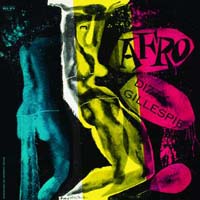 1954Afro