

One week with After Hours: thoughts on Dizzy Gillespie
After Hours- Album Overview
"After Hours," released in 1955, is a pivotal jazz album by legendary trumpeter Dizzy Gillespie. Produced under the Verve Records label, this album is a quintessential representation of Gillespie's innovative bebop style, which he co-founded in the 1940s. The recording sessions took place during a transformative period in jazz, as artists began to explore more complex harmonies and rhythmic structures. With its blend of smooth melodies and intricate improvisation, "After Hours" showcases Gillespie's virtuosic trumpet playing along with a stellar cast of collaborators including pianist Walter Davis Jr., bassist Sam Jones, and drummer Elvin Jones, each contributing to the album's vibrant sound. The album features a collection of tracks that highlight Gillespie's signature style, including "A Night in Tunisia," "Manteca," and "Groovin' High." These songs not only reflect Gillespie's technical prowess but also his ability to fuse Latin rhythms with traditional jazz elements, creating a unique sound that was both innovative and accessible. "After Hours" was significant not only for its musical content but also for its cultural impact, as it helped to bridge the gap between different jazz styles and audiences. The album's release coincided with the rise of jazz as a prominent art form in America, influencing countless musicians and solidifying Gillespie's place in music history.
Review
The album "After Hours" is a testament to Dizzy Gillespie's artistic vision and the evolution of jazz during the mid-20th century. The sound is characterized by a vibrant mixture of bebop and Latin influences, showcasing Gillespie's pioneering trumpet work and his playful approach to melody. Each track offers a unique listening experience, from the intricate arrangements to the spontaneous improvisations that Gillespie and his band members deliver. The interplay between the musicians is particularly noteworthy, as they navigate through complex time signatures and harmonies with apparent ease, creating an engaging atmosphere that invites listeners to immerse themselves in the music. However, while the album is musically rich, it occasionally leans towards a more traditional jazz sound, which may not appeal to every modern listener seeking the avant-garde. The lyrical content, where present, reflects the jazz idiom of the time, often focusing on themes of love and life, yet it is the musicianship that truly shines. Gillespie's artistry, combined with the cultural context of the 1950s jazz scene, creates a captivating narrative that resonates well beyond its era.
Highlights
- Exceptional trumpet playing by Gillespie, showcasing his technical skill and emotive style.
- A rich blend of bebop and Latin influences, providing a unique listening experience.
- Strong collaborative performances that highlight the talents of each musician in the band.
Weak points
- Some tracks may feel dated to contemporary listeners unfamiliar with classic jazz.
- Lack of lyrical depth in certain songs, focusing primarily on instrumental prowess.
- Occasional reliance on traditional jazz structures that might not challenge adventurous listeners.
Overall evaluation
"After Hours" stands as a significant work in Dizzy Gillespie's discography and an important piece of jazz history. It encapsulates the spirit of innovation that defined the genre during the 1950s. While it may not completely resonate with every listener, its musical brilliance and cultural significance are undeniable.
Personal rating: 8/10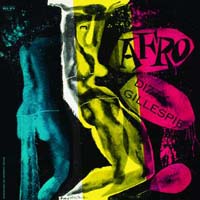 1954Afro