

How Dizzy Gillespie shaped the sound of New Jazz Sounds
New Jazz Sounds- Album Overview
"New Jazz Sounds," released in 1956, is a landmark album by the legendary trumpeter and bandleader Dizzy Gillespie. This album is a defining moment in the evolution of jazz, showcasing Gillespie's innovative approach to bebop and his ability to blend various musical influences. Released under the Verve label, "New Jazz Sounds" features a collection of tracks that exemplify Gillespie's virtuosic trumpet playing and compositional prowess.
The album was recorded during a vibrant period in Gillespie's career, where he was at the forefront of the jazz scene. Collaborating with a stellar lineup of musicians, including the likes of saxophonist Wayne Shorter and pianist Walter Davis Jr., Gillespie pushed the boundaries of jazz with intricate arrangements and complex harmonies. The recording sessions took place in New York City, a hub of artistic experimentation during the 1950s.
Notable tracks from the album include "A Night in Tunisia," a staple in Gillespie's repertoire, which showcases his signature Afro-Cuban rhythms. The album's production was notable for its incorporation of diverse musical styles, reflecting Gillespie's commitment to expanding the jazz genre. The singles released from this album helped solidify Gillespie's reputation as a pioneering figure in jazz, influencing countless musicians and shaping the sound of modern jazz.
Culturally, "New Jazz Sounds" stands as a testament to the jazz movement of the 1950s, a time when the genre was increasingly recognized as a serious art form. The album not only highlights Gillespie's technical ability but also his vision for jazz as a platform for cultural expression and innovation.
Review
The sound of "New Jazz Sounds" is a vibrant tapestry that intertwines intricate melodies with improvisational brilliance. Gillespie's trumpet work is both commanding and expressive, providing a rich lead over the ensemble's intricate arrangements. The album diverges from traditional jazz norms, incorporating elements of Latin music and complex time signatures, which create a fresh listening experience. The interplay between the musicians is particularly noteworthy, as they engage in a musical dialogue that is both captivating and intellectually stimulating.
Lyrically, while jazz is often instrumental, the emotional depth conveyed through each performance speaks volumes. Gillespie's artistic vision shines through his ability to integrate various influences and create a sound that is distinctly his own. The album's production is polished yet maintains a raw energy that is characteristic of live performances, capturing the essence of Gillespie's dynamic stage presence.
Highlights
- Innovative blend of bebop and Afro-Cuban rhythms
- Impressive collaborations with other jazz luminaries
- Captivating arrangements that showcase musical virtuosity
Weak points
- Some tracks may feel overly complex for casual listeners
- Limited availability of remastered versions for modern audiences
- Occasional lack of cohesion in thematic elements
Overall evaluation
"New Jazz Sounds" is a seminal work that not only exemplifies Dizzy Gillespie's genius but also marks a pivotal moment in jazz history. With its rich musical landscapes and innovative spirit, the album remains influential to this day.
Personal rating: 9/10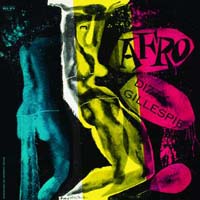 1954Afro