

Is Dizzy Gillespie And His All-stars Dizzy Gillespie's best work yet?
Dizzy Gillespie And His All-stars- Album Overview
The album Dizzy Gillespie And His All-stars was released in 1955 under the Verve Records label, marking an important moment in jazz history. This record showcases the extraordinary talents of trumpeter Dizzy Gillespie, a pioneering figure in the bebop movement. The album features a stellar lineup of musicians, including saxophonist Leo Wright, pianist Walter Davis Jr., bassist Chris White, and drummer Charlie Persip, all of whom contribute to a rich tapestry of sound that is both innovative and deeply rooted in jazz tradition.
The recording sessions took place in the bustling jazz scene of New York City, where Gillespie was a central figure. The album includes a mix of original compositions and classic standards, all reimagined through Gillespie's unique lens. Notable tracks include "A Night in Tunisia," which is widely regarded as one of Gillespie's signature pieces, and "Manteca," a groundbreaking work that blends Afro-Cuban rhythms with jazz—a testament to Gillespie's influence on the genre.
Musically, the album is significant not just for its technical prowess but also for its cultural impact, as it showcases the evolution of jazz during a time when the genre was experiencing rapid transformation. Gillespie's innovative approach and virtuosic trumpet playing continue to inspire generations of musicians. The album stands as a vital document of Gillespie's artistry and the collaborative spirit of jazz, encapsulating the essence of an era that defined modern music.
Review
Dizzy Gillespie And His All-stars is a masterclass in musical improvisation and collective synergy. Gillespie’s trumpet work is nothing short of mesmerizing; his skillful use of high notes and complex melodies creates an exhilarating listening experience. The interplay between the musicians is remarkable, with each member of the All-stars contributing their unique flair while maintaining a cohesive sound. The arrangements are tight, yet leave ample room for improvisation, showcasing the spontaneous nature of jazz.
One of the standout features of this album is its ability to blend various musical styles while maintaining a core jazz identity. For instance, the incorporation of Afro-Cuban elements in tracks like "Manteca" not only highlights Gillespie's cultural influences but also underscores his role in expanding the jazz genre. While the album may not feature lyrical content typical of vocal jazz, the instrumental storytelling is powerful, with every note conveying deep emotion and creativity. Overall, Gillespie's artistic vision shines through, making this album a significant contribution to his discography and jazz music as a whole.
Highlights
- Exceptional musicianship from a legendary lineup
- Innovative blending of jazz and Afro-Cuban rhythms
- Memorable and impactful compositions that have stood the test of time
Weak points
- Some tracks may feel dated to contemporary listeners
- Lack of vocal elements might not appeal to all jazz fans
- Production quality is a bit rough compared to modern standards
Overall evaluation
Dizzy Gillespie And His All-stars stands as a testament to Dizzy Gillespie's genius and the collaborative spirit of jazz. While it may not be universally regarded as his best work, it certainly holds a significant place in jazz history and showcases a pivotal moment in the evolution of the genre.
Personal rating: 9/10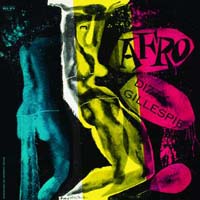 1954Afro