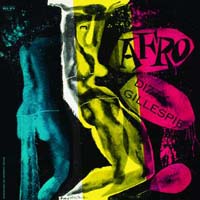
ALBUM NOTESA closer look at Dizzy Gillespie's album Live
Live- Album Overview
Dizzy Gillespie's album "Live," released in 1976, encapsulates a vibrant moment in the jazz genre, showcasing the legendary trumpeter's extraordinary improvisational skills and innovative style. The album was recorded during a performance at the famous Concertgebouw in Amsterdam, capturing the energy and excitement of a live jazz setting. Released under the prestigious label Perception Records, "Live" features a mix of original compositions and jazz standards, highlighting Gillespie's ability to blend bebop with Afro-Cuban influences.
The album features notable collaborations with talented musicians, including saxophonists Leo Wright and John Lee, bassist Chris White, and drummer Michael Carvin, who contribute to the dynamic interplay and rich textures throughout the recording. The tracklist includes iconic pieces such as "A Night in Tunisia" and "Manteca," which serve as showcases for Gillespie's signature trumpet style. The live setting amplifies the spontaneity of the performance, conveying the excitement of the audience and the musicians' connections.
Musically, "Live" is significant in the evolution of jazz, as it reflects the genre's ongoing transformation in the 1970s. Gillespie's engagement with various musical traditions and his pioneering spirit helped pave the way for future generations of jazz musicians. This album stands as a testament to his artistry and the enduring legacy of live jazz performances, capturing the essence of Gillespie's contribution to the world of music.
Review
Dizzy Gillespie's "Live" is a powerful testament to his prowess as both a performer and a bandleader. The album opens with an electrifying rendition of "A Night in Tunisia," instantly immersing the listener in a whirlwind of intricate rhythms and melodic brilliance. Gillespie's trumpet playing is nothing short of mesmerizing, characterized by his trademark growl and inventive phrasing. The interplay between the musicians is seamless, as they navigate complex time signatures and improvisational passages with ease.
Throughout the album, Gillespie's artistic vision shines brightly. He masterfully blends elements of bebop and Afro-Cuban music, creating a sound that is both innovative and deeply rooted in jazz tradition. The energy of the live performance translates beautifully into the recording, making it feel as though the listener is part of an intimate concert experience. The album's production captures the essence of the live event, with a rawness that adds to its authenticity.
However, it is the sense of camaraderie among the musicians that truly elevates this album. Each performer contributes their unique voice, creating a rich tapestry of sound that resonates with jazz enthusiasts. The live setting allows for moments of improvisational brilliance, showcasing the spontaneity that is at the heart of jazz music.
Highlights
- Exceptional musicianship from Gillespie and his bandmates
- Dynamic and energetic live performance atmosphere
- Seamless blending of bebop and Afro-Cuban rhythms
Weak points
- Some tracks may feel lengthy for casual listeners
- Occasional sound quality issues typical of live recordings
- Lack of extensive original material compared to studio albums
Overall evaluation
Dizzy Gillespie's "Live" is a captivating representation of jazz at its finest, showcasing the artist's enduring influence and ability to connect with audiences. The album's vibrant energy and masterful musicianship make it a must-listen for jazz aficionados. Strongly embodying the spirit of live performance, it remains a valuable addition to Gillespie's discography.
Personal rating: 8/10


 1954Afro