

Unpacking Dizzy Gillespie's Jambo Caribe
Jambo Caribe- Album Overview
"Jambo Caribe," released in 1971, is a vibrant exploration of Afro-Cuban jazz that showcases the extraordinary musical vision of trumpeter Dizzy Gillespie. The album was produced by Gillespie himself and released under the prestigious label, Perception Records. This project stands as a testament to Gillespie's relentless dedication to fusion, blending jazz with Caribbean rhythms and textures. The recordings took place during a period when Gillespie was deeply immersed in the study of Afro-Cuban music, collaborating with talented musicians from both the jazz and Latin music realms.
The album features an impressive lineup of musicians, including percussionist Mongo Santamaría and pianist and arranger Lalo Schifrin. It consists of several tracks that highlight Gillespie's signature bebop style while incorporating elements of salsa and son. Notable tracks include "Manteca," "Bebop," and "Guaracha," which capture the essence of the cultural exchange between jazz and Latin music. The album reflects the broader cultural significance of the era, marked by a burgeoning interest in world music and cross-cultural collaborations.
"Jambo Caribe" was one of the earlier examples of jazz musicians embracing Caribbean influences, paving the way for future explorations in the genre. The album didn't produce mainstream singles but has been influential within jazz circles, celebrated for its innovative rhythms and harmonic complexity. Gillespie's work on this album not only solidifies his reputation as a pioneer of jazz but also showcases his role in the global music scene, making it a vital piece of musical history.
Review
Musically, "Jambo Caribe" is a rich tapestry of sounds that seamlessly weaves together jazz improvisation with the infectious beats of Latin music. Gillespie's trumpet work is as brilliant as ever, displaying his virtuosic abilities while also embracing the warmth and playfulness of Caribbean rhythms. The arrangements are intricate yet accessible, allowing the listener to appreciate both the technical prowess of the musicians and the joyful spirit of the music. While Gillespie's compositions are often complex, they maintain a sense of spontaneity and fun, inviting listeners to dance as much as they are moved to think.
The lyrical content, while not the focal point of the album, reflects the cultural themes of unity and celebration found in Caribbean music. Gillespie’s artistic vision is clear: to foster a dialogue between different musical traditions and to uplift the listener through rhythm and melody. Overall, the album stands as a testament to Gillespie's ability to innovate while remaining deeply connected to his roots, making it a captivating listen for jazz enthusiasts and casual listeners alike.
Highlights
- Seamless fusion of jazz and Afro-Cuban rhythms.
- Brilliant trumpet performances by Dizzy Gillespie.
- Intricate and accessible arrangements that invite listener engagement.
Weak points
- Limited mainstream appeal, potentially overshadowed by other works.
- Some tracks may feel repetitive to listeners unfamiliar with jazz structures.
- Lack of standout singles that could have garnered broader recognition.
Overall evaluation
"Jambo Caribe" is a significant contribution to the jazz genre, highlighting Dizzy Gillespie's pioneering spirit and commitment to cultural fusion. While it may not have achieved mainstream success, its artistic merit and historical context ensure its place in the pantheon of influential jazz records.
Personal rating: 8/10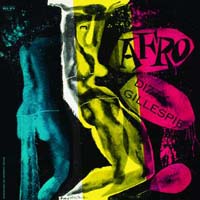 1954Afro