
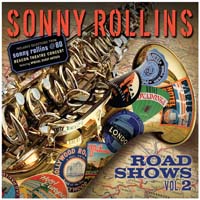
Sonny Rollins raises the bar with Don’t Ask
Don’t Ask- Album Overview
Released in 1972, "Don’t Ask" is a pivotal album in the discography of legendary jazz saxophonist Sonny Rollins. This album came out on the Milestone label and marks a significant moment in Rollins’ career, showcasing his evolution as both a musician and a composer. Recorded during a period where Rollins was exploring new ideas and pushing the boundaries of jazz, "Don’t Ask" features a mix of original compositions and reinterpretations of jazz standards.
The album was produced by Orrin Keepnews, a notable figure in the jazz recording scene, who helped shape Rollins' sound during this creative phase. Collaborating with Rollins on this project are an impressive lineup of musicians, including guitarist David Williams, bassist Bob Cranshaw, and drummer Al Foster, each contributing their unique flair to the recording. The album features tracks such as "The Bridge," which showcases Rollins' mastery of the tenor saxophone, and "The Last Time I Saw Paris," a poignant reflection on nostalgia and loss.
"Don’t Ask" stands out not only for its musicality but for its cultural significance, as Rollins navigated the complexities of the jazz scene in the 1970s. The album is often viewed as an exploration of personal and social themes, reflecting the turbulence of the era while remaining deeply rooted in the jazz tradition. Singles like "Airegin" highlight Rollins' improvisational prowess and his ability to connect with the listener on an emotional level. Overall, "Don’t Ask" is a testament to Rollins' enduring legacy and his commitment to the art of jazz.
Review
"Don’t Ask" is a masterclass in jazz improvisation, where Sonny Rollins effortlessly intertwines his saxophone lines with the intricate rhythms provided by his ensemble. The album's sound is rich and layered, showcasing the synergy between instruments while allowing Rollins' expressive tenor to take center stage. His artistic vision shines through in the fluidity of the compositions, where each track feels like a conversation among musicians rather than a mere performance.
The lyrical quality of Rollins’ playing is particularly noteworthy; he weaves stories through sound, evoking a range of emotions from joy to melancholy. The production quality, thanks to Keepnews, captures the raw energy of live jazz while ensuring clarity and warmth in the recordings. While some tracks may feel lengthy for casual listeners, they serve as an invitation to dive deep into the improvisational landscape Rollins creates, rewarding attentive listeners with moments of brilliance and spontaneity.
Highlights
- Exceptional improvisation showcasing Rollins' signature saxophone style.
- Strong collaborations with talented musicians that enhance the overall sound.
- The emotional depth of compositions that resonate beyond jazz enthusiasts.
Weak points
- Some tracks may feel lengthy for casual listeners.
- A few compositions lack the punch of Rollins' earlier work.
- Production may feel dated to modern ears, though it captures the era's essence.
Overall evaluation
In conclusion, "Don’t Ask" is a significant entry in Sonny Rollins' oeuvre, highlighting his ability to innovate within the jazz genre while maintaining emotional resonance. While it may not cater to every listener's tastes, it stands as a testament to Rollins' artistic vision and his enduring legacy in jazz history.
Personal rating: 8/10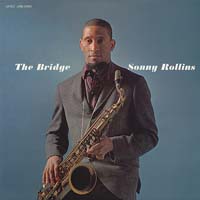 1962The Bridge
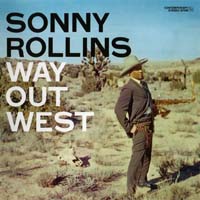 1957Way Out West
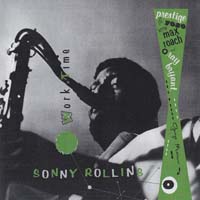 1956Work Time
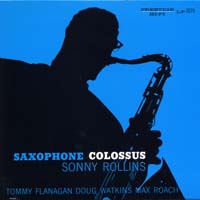 1956Saxophone Colossus
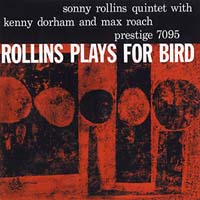 1956Rollins Plays for Bird
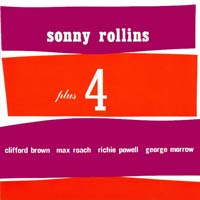 1956Plus 4
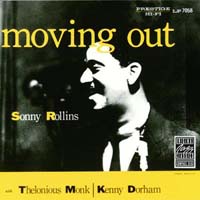 1956Moving Out