

Dizzy Gillespie experiments boldly on Dizzy's Party
Dizzy's Party- Album Overview
"Dizzy's Party," released in 1965, is a vibrant showcase of Dizzy Gillespie's innovative approach to jazz. Released under the Verve Records label, this album exemplifies Gillespie's unique blend of bebop and Afro-Cuban rhythms, pushing the boundaries of jazz during a transformative era in music. The album features a stellar lineup of collaborators, including renowned musicians such as Art Davis on bass, and the legendary drummer Elvin Jones, known for his work with the John Coltrane Quartet.
The recording sessions took place in New York City, where Gillespie was known for his energetic performances that often incorporated a sense of playfulness and spontaneity. "Dizzy's Party" is characterized by its lively arrangements and intricate improvisations, elements that are hallmarks of Gillespie's style. The album consists of several tracks, including "Manteca," which showcases the fusion of jazz and Latin influences that Gillespie had championed throughout his career.
Culturally, "Dizzy's Party" is significant as it captures a moment in jazz history where the genre began to embrace a wider array of influences, reflecting the diverse musical landscape of the 1960s. Gillespie's experimentation with rhythm and melody not only solidified his reputation as a pioneering figure in jazz but also paved the way for future generations of musicians. The album did not produce any major singles but remains a testament to Gillespie's enduring legacy and his continuous exploration of sound.
Review
"Dizzy's Party" is a delightful listening experience, encapsulating the essence of Gillespie's exuberant artistry. The album is marked by its rhythmic complexity and vibrant instrumentation, which create an infectious energy that invites listeners to engage with the music on a deeper level. Gillespie's trumpet playing is as virtuosic as ever, with a tone that is both bright and expressive, effortlessly navigating through intricate melodies and captivating improvisations.
The album's arrangements showcase a sophisticated interplay between the musicians, with each track providing a canvas for spontaneous expression. The rhythmic undercurrents, influenced by Afro-Cuban music, add a unique flavor that distinguishes this work from traditional jazz records of the time. The absence of lyrics in Gillespie's compositions does not detract from the emotional impact; rather, the music speaks volumes, conveying joy, celebration, and the spirit of community that embodies a party atmosphere.
Highlights
- The infectious energy of tracks like "Manteca" that perfectly blend jazz and Afro-Cuban rhythms.
- Gillespie's masterful trumpet solos that showcase his technical prowess and emotional depth.
- The impressive collaboration with top-tier musicians, creating a rich tapestry of sound.
Weak points
- Some tracks may feel overly experimental for traditional jazz purists.
- The absence of vocal tracks may limit appeal to listeners who prefer lyrical content.
- Occasional moments of chaotic interplay that can feel disjointed rather than cohesive.
Overall evaluation
"Dizzy's Party" stands as a significant work in Dizzy Gillespie's discography, illustrating his fearless exploration of new musical territories. While the album may challenge some listeners with its bold experimentation, it ultimately rewards those willing to embrace its vibrant spirit. The record encapsulates the essence of a party, filled with joy, rhythm, and camaraderie, making it an essential listen for jazz aficionados.
Personal rating: 8/10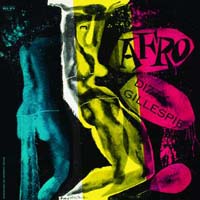 1954Afro